 Save
Save My grandmother's cast-iron skillet sits on my stove year-round, and nothing makes it sing quite like cornbread. There's this moment, maybe fifteen minutes into baking, when the kitchen fills with that warm, toasted cornmeal smell that just stops you mid-thought. I learned to make this version one lazy Sunday afternoon when she handed me the skillet still warm from her own baking, watching without comment as I measured out the cornmeal. The trick, she finally offered, wasn't in the ingredients—it was respecting the heat of that iron and the patience of a five-minute rest before slicing.
I made this for a potluck once, nervous because cornbread feels like the kind of dish people judge without saying anything. Someone brought it back to their table empty, and later I caught them asking my friend for the recipe—but she just smiled and said I'd have to ask me myself. That moment taught me that simple food done right has its own quiet confidence.
Ingredients
- Yellow cornmeal: The base that gives this its soul and texture; stone-ground varieties add nuttier flavor if you can find them.
- All-purpose flour: Balances the cornmeal so the bread has structure without turning dense.
- Granulated sugar: Just enough to enhance sweetness without making it cake-like, about a quarter cup does the job.
- Baking powder and baking soda: Work together to create lift; don't skip the soda even though the amount seems small.
- Fine salt: A three-quarter teaspoon brings out all the corn flavor hiding in the meal.
- Whole milk or buttermilk: Buttermilk adds tang and richness if you keep it on hand; whole milk works beautifully too.
- Eggs: Two large ones bind everything and contribute to that tender crumb.
- Melted butter and vegetable oil: The combination creates moisture that lasts; butter alone sometimes turns dry by the next day.
- Cast-iron skillet butter: Two tablespoons create a crucial crispy, buttery crust on the bottom and sides.
- Honey butter components: Softened butter, honey, and a whisper of salt transform warm cornbread into something special.
Tired of Takeout? 🥡
Get 10 meals you can make faster than delivery arrives. Seriously.
One email. No spam. Unsubscribe anytime.
Instructions
- Heat your skillet first:
- Preheat the oven to 425°F and let a 10-inch cast-iron skillet sit in there while you work. That heated iron is non-negotiable for crispy edges.
- Combine the dry ingredients:
- Whisk together cornmeal, flour, sugar, baking powder, baking soda, and salt in a large bowl. Mix thoroughly so the leavening agents distribute evenly.
- Blend the wet ingredients:
- In another bowl, whisk milk, eggs, melted butter, and vegetable oil until they're completely combined. You want this mixture smooth and uniform.
- Bring them together gently:
- Pour the wet mixture into the dry ingredients and stir just until combined—overmixing develops gluten and makes cornbread tough. A few small lumps are your friends here.
- Prepare the hot skillet:
- Carefully remove the skillet from the oven and add two tablespoons of butter, swirling it quickly to coat every surface. The sizzle tells you it's ready.
- Pour and bake:
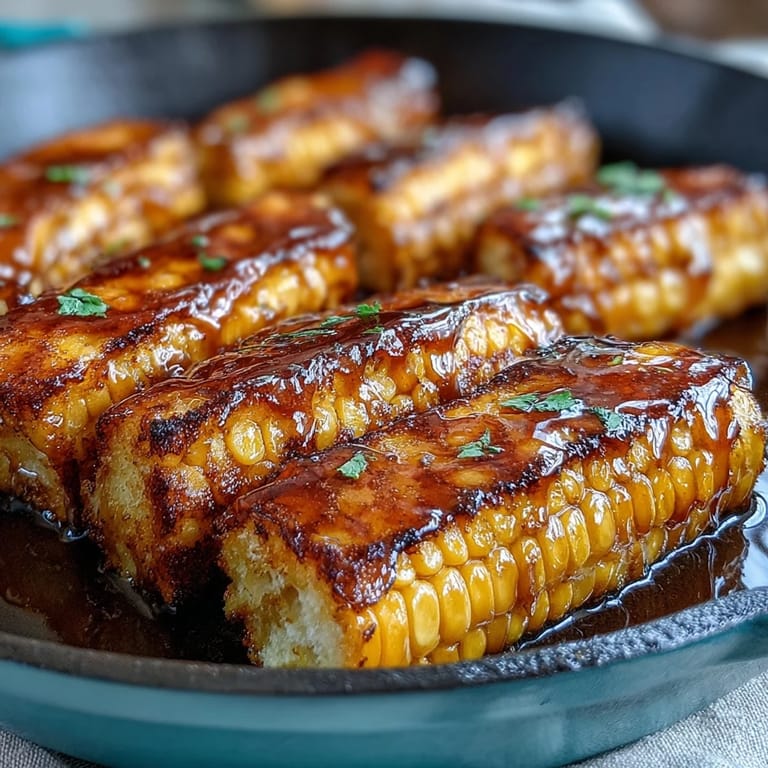
- Pour the batter into that buttered skillet and smooth the top gently. Bake for 20 to 25 minutes until the surface turns deep golden and a toothpick comes out clean.
- Make the honey butter:
- While cornbread bakes, beat softened butter with honey and a tiny pinch of salt until it's fluffy and light. This only takes a few minutes with a hand mixer or vigorous whisking.
- Rest before serving:
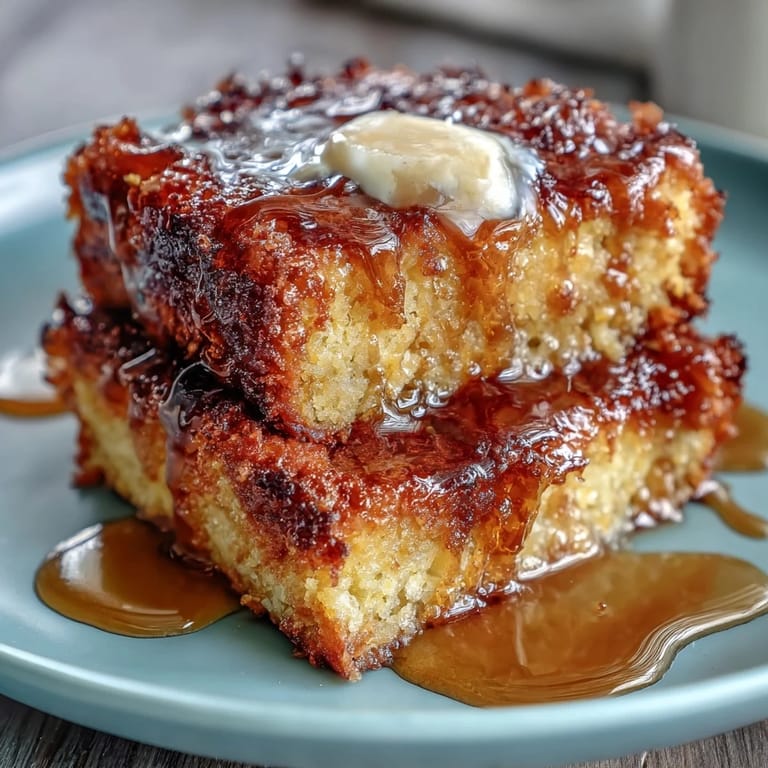
- Let the cornbread cool for five to ten minutes so it firms up enough to slice cleanly. Serve it warm with that honey butter melting into every piece.
 Save
Save My partner once came home from work to find the kitchen smelling like cornbread and honey butter, and honestly, he dropped everything just to sit at the counter while it was still warm. No fancy presentation, no fussing—just honest food that made him pause. That's when I knew this recipe had crossed from being something I made to being something that mattered.
Cast-Iron Matters
If you don't have a cast-iron skillet, this recipe still works in a greased 9-by-13-inch baking dish, but you lose something essential. The iron holds heat differently, distributes it more evenly, and seasons itself with every use. My skillet has cooked thousands of cornbreads by now, and I swear it knows what to do at this point. Start with a well-seasoned skillet if possible, though even a newer one will do the job—it just won't have that lived-in quality that makes the crust sing.
The Buttermilk Upgrade
Buttermilk isn't just a substitution; it's a game-changer if you keep it around. The acidity reacts with the baking soda to create a slightly tangy crumb that feels more complex and interesting than the straight milk version. I learned this when someone in my family mentioned their grandmother always used it, and after trying both, I understood what they meant. The standard version is wonderful, but buttermilk gives you a subtle depth that lingers on your tongue.
Variations Worth Exploring
Once you nail the basic recipe, playing with additions becomes natural. Fresh corn kernels folded in at the last moment add bursts of sweetness, while sharp cheddar cheese transforms this into something you'd eat as a main course. I've made versions with chopped jalapeños that brought heat just balanced enough to let the corn shine through. You can also swirl in a tablespoon of creamed corn before baking for extra moisture, though I'd reduce the milk slightly to compensate.
- Add corn, cheddar, or jalapeños to the batter for variations that feel special without overcomplicating things.
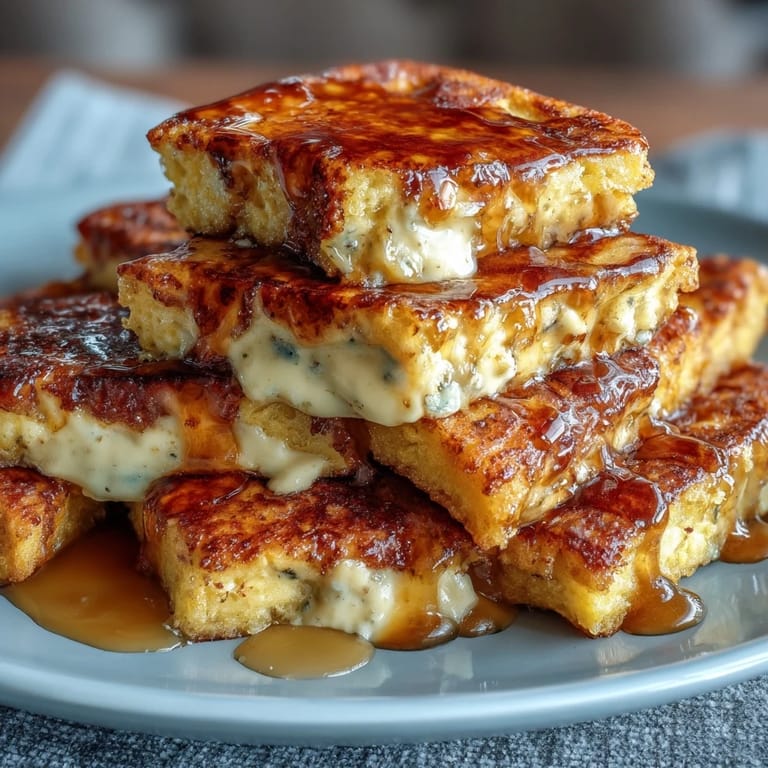
- Drizzle honey butter over warm cornbread rather than serving it on the side so every bite gets the same treatment.
- Store leftover cornbread wrapped loosely at room temperature and reheat gently—it actually stays moist for two or three days.
 Save
Save This cornbread belongs at every table where people gather to eat food that matters. It's humble enough to feel honest and delicious enough to make people feel cared for.
Recipe FAQs
- → What makes Southern cornbread unique?
Southern cornbread often blends cornmeal with flour, creating a tender texture, and is baked in a cast-iron skillet for a crispy crust.
- → How does honey butter complement the cornbread?
The creamy honey butter adds a sweet, smooth richness that balances the savory, slightly crumbly cornbread perfectly.
- → Can buttermilk be used instead of whole milk?
Yes, substituting buttermilk enhances the cornbread’s tanginess and moistness, adding depth to the flavor.
- → What is the best way to avoid a dense texture?
Mix wet and dry ingredients gently until just combined to keep the cornbread light and tender without overmixing.
- → How do you get a crispy crust on cornbread?
Heating the cast-iron skillet before pouring in the batter ensures a golden, crispy crust forms during baking.