 Save
Save The first encounter I had with dandelion honey was purely accidental—a jar tucked between jams at a local farmer's market. Its gentle floral aroma lingered on my hands and inspired me to craft these buttery scones. The hum in my kitchen on a mild spring day, windows cracked open to the smell of last night's rain, set the stage for mixing flour and honey. What struck me most was how the golden honey melded seamlessly into dough, infusing subtle sweetness without overwhelming. Scones have always been a comfort bake for me, but this recipe holds that promise of something new.
One dreary afternoon, I baked these for a group of friends whose moods instantly lifted with the scent of honey rising from the oven. We circled the table with mismatched mugs, laughing at the imperfect shapes and smears of cream made in haste. It felt less about precision and more about coaxing joy from humble flour and dandelion nectar. That day, the kitchen was a little messy and very alive. Even the crumbs on the counter looked cheerful.
Ingredients
- All-purpose flour: This is the backbone of tender scones; measuring gently prevents them from becoming dense, so I always fluff the flour before scooping.
- Granulated sugar: Just enough for a soft sweetness, and it creates a delicate crust during baking.
- Baking powder: Gives the scones their classic lift—heaping the spoon slightly makes for fluffy centers.
- Fine sea salt: Balances all the sweetness; I learned early that even the smallest pinch saves a bland bake.
- Cold unsalted butter: Essential for layers—work quickly and keep it cold so the scones rise tall and flaky.
- Dandelion honey (or mild honey): The star ingredient's floral notes subtly shift the flavor, and mixing it with the wet ingredients prevents stickiness.
- Whole milk: Richness and tenderness, and the leftover splash is perfect for brushing the tops.
- Large egg: Helps bind everything—if you forget it, your dough will struggle to come together.
- Dandelion honey, for drizzling: A flourish at the end—you can't skip this if you want to impress.
- Clotted cream: Delightfully thick and luxurious; if it's hard to find, I've used mascarpone in a pinch.
Tired of Takeout? 🥡
Get 10 meals you can make faster than delivery arrives. Seriously.
One email. No spam. Unsubscribe anytime.
Instructions
- Get the Oven Ready:
- Start by preheating your oven to 400°F (200°C) and laying out parchment on a baking sheet—the rustle of paper feels like a good omen.
- Combine Dry Ingredients:
- In your largest mixing bowl, whisk together flour, sugar, baking powder, and salt until you see no streaks—it's worth pausing to inhale before moving on.
- Work in the Butter:
- Add the cold, cubed butter and, using your fingertips or a pastry blender, rub it in until you get rough breadcrumbs—cool hands help, so give yours a rinse if needed.
- Mix Wet Ingredients:
- In a separate bowl, whisk honey, milk, and egg until smooth; the honey drips slow, so give it a little patience.
- Make the Dough:
- Pour the wet mix into the dry and stir gently until just combined—stop when the dough barely holds together (overmixing will toughen your scones).
- Shape and Cut:
- Turn dough out onto a floured surface and pat it into a round about 1 inch thick; pressing out with a cutter, you'll piece together scraps and feel the cool dough beneath your palms.
- Brush and Bake:
- Place scones on the sheet, brush tops with milk, and bake for 12–15 minutes until risen and golden—the sight of them puffing up is quietly thrilling.
- Serve and Enjoy:
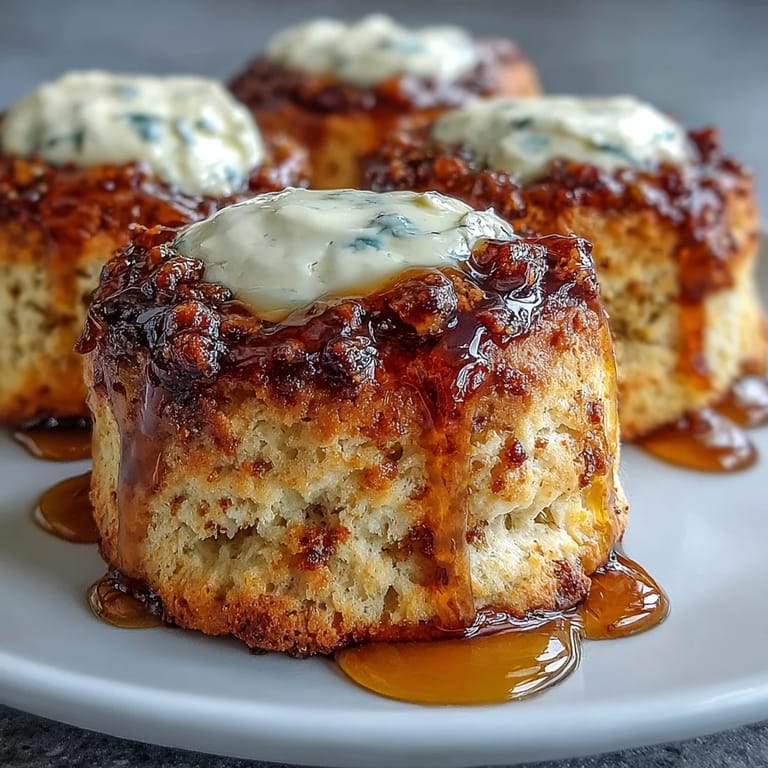
- Let the scones cool briefly on a wire rack, then pile them onto a plate, dripping with honey and dolloped with clotted cream—try not to rush the first bite.
 Save
Save There was one brunch, early spring, when these scones became the centerpiece of conversation—people who rarely linger stayed for a second helping. An impromptu bee fact discussion sparked by the honey led to stories about gardens and childhood. I caught a friend quietly scraping the bowl for dough remains, which felt like the greatest compliment. Since then, the recipe has always meant generous sharing. It stands for warmth in moments that need it most.
Choosing the Right Honey
Dandelion honey imparts a unique floral note—sometimes mellow, sometimes pronounced. I've found that if you can't source it, a mild, light honey works nearly as well and doesn't overpower the scones. The trick is to avoid dark or strongly flavored honeys, which mask the subtlety that makes this treat special. Taste your honey before using, and adjust the quantity if it feels too bold. Even local wildflower honey can provide the right hint of sweetness without stealing the show.
Making the Scones Extra Fluffy
Light hands and cold butter are non-negotiables for scones that rise into perfect pillows. I always chill my mixing bowl for a few minutes before starting—an old trick from watching my grandmother bake. Use a fork or fingertips to rub butter fast, then handle the dough as briefly as possible. If the dough seems sticky, a quick dusting of flour does the trick. Working efficiently keeps the butter from melting, so your scones come out airy rather than flat.
Serving Suggestions for Afternoon Tea
There's nothing like a tray of warm scones and clotted cream to anchor a table, especially in the company of good tea and laughter. I often arrange them in a circle, sprinkle a few edible flowers, and serve with honey on the side. The key is not to overthink presentation—let the rustic charm shine. Afternoon tea becomes an occasion without much effort, and the scones invite extra moments together.
- Serve with chilled strawberry compote for color contrast.
- Pair with floral teas like chamomile or jasmine for a mellow sip.
- Don’t forget napkins—sticky honey calls for good manners.
 Save
Save May your next batch of scones spark just as many smiles and stories as mine have. There's magic in sharing them, especially when the honey drips and the conversation flows.
Recipe FAQs
- → How do I achieve a tender texture in scones?
Keep your butter cold and handle the dough lightly. Avoid overmixing for the best crumb.
- → Can I substitute dandelion honey?
Use any mild-flavored honey if dandelion honey isn't available. It will still provide subtle sweetness.
- → What can I use instead of clotted cream?
Thick crème fraîche or mascarpone work well as creamy alternatives for serving.
- → Are these scones suitable for vegetarians?
Yes, they use dairy and egg ingredients but are appropriate for vegetarian diets.
- → How should I store leftover scones?
Store cooled scones in an airtight container for up to two days to maintain freshness.
- → What tools are needed for preparation?
You will need mixing bowls, a pastry blender or fork, a whisk, and a round cutter for shaping.