 Save
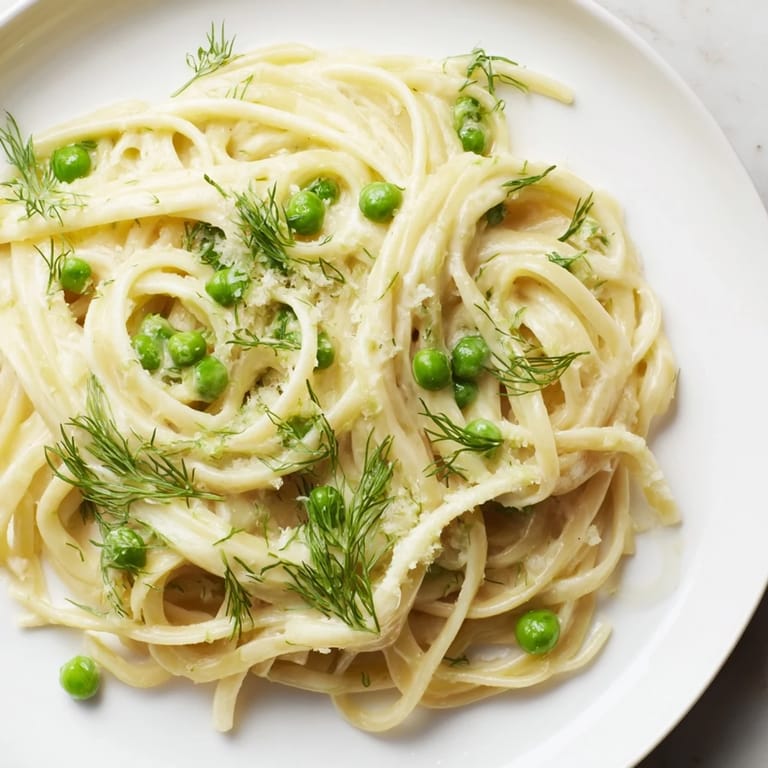
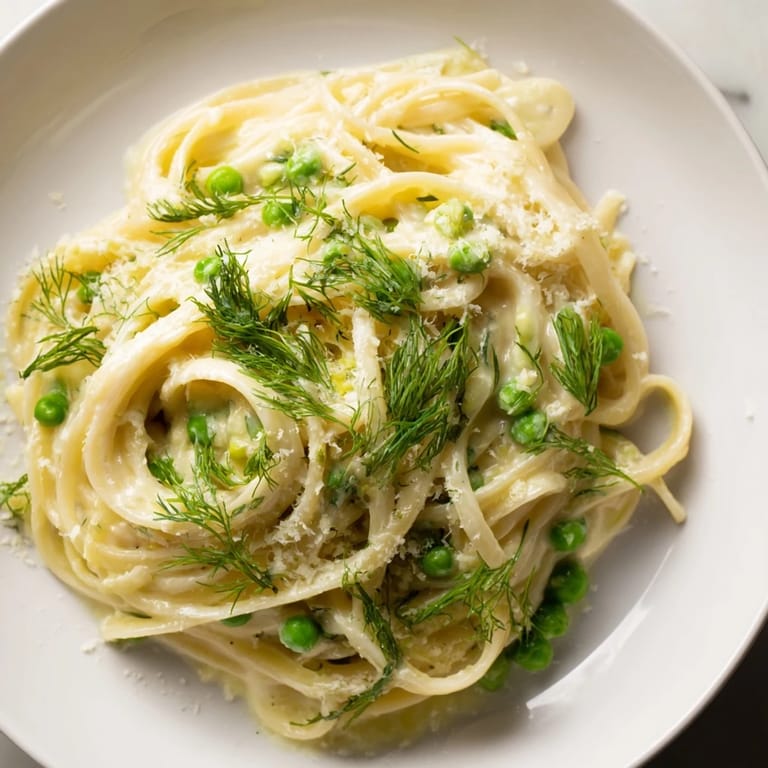
Save There's something about the smell of butter and lemon zest hitting a hot pan that makes you pause mid-conversation. That's when this dill pasta first won me over—not in some grand moment, but on an ordinary Tuesday when I had twenty minutes and a craving for something light but indulgent. The cream melts into this silky coating that feels fancy without the fuss, and the dill brings this bright, almost oceanic whisper to every bite. Once you taste how the lemon cuts through the richness, you understand why this became my go-to when people are coming over and I want them to think I spent hours in the kitchen.
I made this for my neighbor who mentioned she was tired of the same rotation of meals, and I watched her face as she took the first bite—that genuine pause where someone's deciding if they actually like something. She came back for seconds and asked for the recipe, which is always the moment I know I've nailed it. Now she makes it every other week, and it's become this little thread between us, this small thing we share in our busy lives.
Ingredients
- 350 g dried pasta (fettuccine, linguine, or penne): The shape matters more than you'd think—wider ribbons trap the sauce beautifully, but penne works if that's what's in your cupboard.
- 2 tbsp unsalted butter: Don't use margarine here; the flavor difference is real and the sauce won't have that same velvety quality.
- 2 cloves garlic, minced: Mince it fine so it dissolves into the sauce rather than leaving chunks.
- Zest of 1 lemon: Use a microplane if you have one; it catches all those bright oils without the bitter white pith.
- 200 ml heavy cream: This is where the magic happens—the fat creates that silky coating that makes everything taste richer.
- 2 tbsp fresh lemon juice: Fresh lemon juice, please; bottled tastes thin and sharp in comparison.
- 1 tsp Dijon mustard: This is a secret weapon—it adds depth and helps emulsify the sauce so it stays smooth.
- 1 tsp salt, plus more for pasta water: Taste as you go; the Parmesan adds saltiness too, so you might not need all of it.
- ¼ tsp freshly ground black pepper: Crack it fresh; pre-ground loses its bite.
- 40 g grated Parmesan cheese: Grate it yourself if possible—pre-grated has additives that prevent clumping and can make the sauce grainy.
- 3 tbsp chopped fresh dill, plus extra for garnish: Fresh dill is non-negotiable here; dried tastes dusty and one-dimensional by comparison.
- 1 cup peas (fresh or frozen, optional): Frozen peas are actually perfect for this—they add color and sweetness without watering down the sauce.
- 150 g smoked salmon, flaked (optional): If you're adding this, warm it gently at the end so it doesn't turn rubbery.
Tired of Takeout? 🥡
Get 10 meals you can make faster than delivery arrives. Seriously.
One email. No spam. Unsubscribe anytime.
Instructions
- Bring the water to a proper boil:
- Fill a large pot about three-quarters full with water and don't skip the salt—it seasons the pasta from the inside out. You want it aggressively salty, almost like seawater, which is the only way pasta actually tastes like something.
- Cook the pasta right:
- Follow the package timing but taste it a minute early; you want it al dente, with just a tiny bit of resistance when you bite it. The residual heat will soften it slightly once it hits the sauce.
- Start the sauce while pasta cooks:
- Melt the butter over medium heat and listen for it to stop foaming—that's when it's hot enough. The garlic should sizzle gently the moment it hits the pan, releasing that sharp, sweet aroma.
- Bring in the cream and brightness:
- Pour the cream in slowly so it doesn't break, then add the lemon juice and mustard. Let it simmer until it coats the back of a spoon—this takes about two minutes and thickens just enough without becoming heavy.
- Add the cheese and seasoning:
- Stir constantly as the Parmesan melts so it integrates smoothly rather than turning to clumps. Taste it now and adjust the salt and pepper; this is your last chance before everything comes together.
- Bring pasta and sauce together:
- Drain the pasta but save that starchy water—it's your secret tool for fixing the texture. Toss the pasta with the sauce, adding pasta water a splash at a time until it coats everything in a thin, silky layer.
- Finish with dill and final touches:
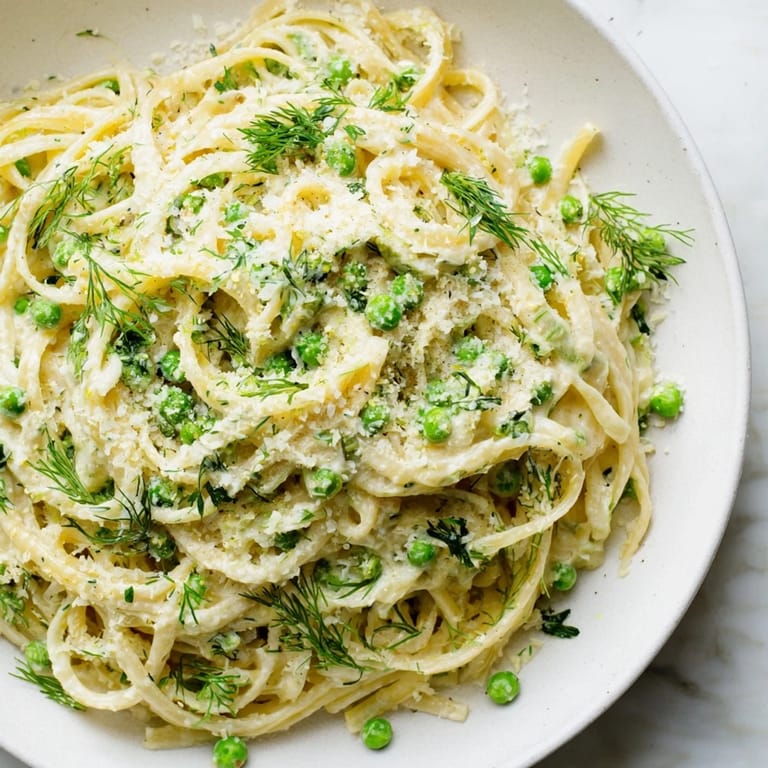
- Stir in the dill and peas just before serving so the dill stays bright. Taste one more time and adjust if needed.
 Save
Save What gets me about this dish is that it feels like you made something deliberate and thoughtful, even though the whole process is barely more complicated than boiling pasta. There's a comfort in that simplicity, in knowing that fresh ingredients and good technique don't always require hours of work or a long list of obscure ingredients.
The Secret to Silky Sauce
The difference between a sauce that clings beautifully and one that slides right off comes down to temperature control and patience. Keep the heat at medium, not high—the cream should gently simmer, not boil, which would make it break and separate. The Parmesan needs to dissolve completely, not fight against the heat in little grainy pockets. And that reserved pasta water does something magical: the starch in it acts like an emulsifier, helping the cream and cheese stick to the pasta strands instead of pooling at the bottom of the bowl. Once you understand this, you understand why this sauce works.
When to Add Your Own Variations
This recipe is a blank canvas if you want it to be, but timing matters when you're adding things. Vegetables that need cooking—mushrooms, asparagus, broccoli—should go in the skillet before the cream, so they have time to soften. Delicate additions like the dill, peas, or salmon go in at the very end so they don't turn mushy or overcooked. The Dijon mustard is doing more work than you'd think; if you remove it, the sauce needs a different anchor, so consider adding a tablespoon of white wine or a squeeze more lemon juice to maintain that balance.
Making It Your Own
I've made this sauce a dozen different ways depending on what's in the fridge and what I'm craving. Sometimes I use half-and-half instead of heavy cream when I want something lighter, and it still tastes good—just not quite as luxurious. Other times I've stirred in a handful of sautéed spinach or swapped the dill for fresh tarragon if that's what I had on hand. The core of the recipe is strong enough to handle small changes without falling apart, which is the mark of a good recipe.
- A splash of white wine added to the pan before the cream deepens the flavor beautifully.
- If you love heat, a pinch of red pepper flakes stirred in at the end adds a subtle kick without overwhelming the delicate dill.
- Roasted cherry tomatoes folded in at the very end bring a bit of acidity and brightness if the sauce feels too rich.
 Save
Save This is the kind of pasta that reminds you cooking doesn't have to be complicated to be delicious. Make it when you want something that tastes like care but doesn't demand hours of your day.
Recipe FAQs
- → What pasta types work best with this dish?
Fettuccine, linguine, or penne are ideal as they hold the creamy dill sauce well.
- → Can I substitute heavy cream for a lighter option?
Yes, half-and-half can be used for a lighter, less rich sauce without compromising texture.
- → How do I keep the sauce smooth and silky?
Reserve some pasta water and add gradually while tossing the pasta; the starch helps emulsify the sauce.
- → Is fresh dill essential or can dried dill be used?
Fresh dill provides a vibrant flavor and aroma; dried dill can be used but will be less intense.
- → Can I add vegetables to enhance the dish?
Yes, peas are suggested and sautéed mushrooms or asparagus also complement the creamy sauce beautifully.
- → What wine pairs well with this pasta?
A chilled Sauvignon Blanc balances the creamy and herbaceous flavors perfectly.