 Save
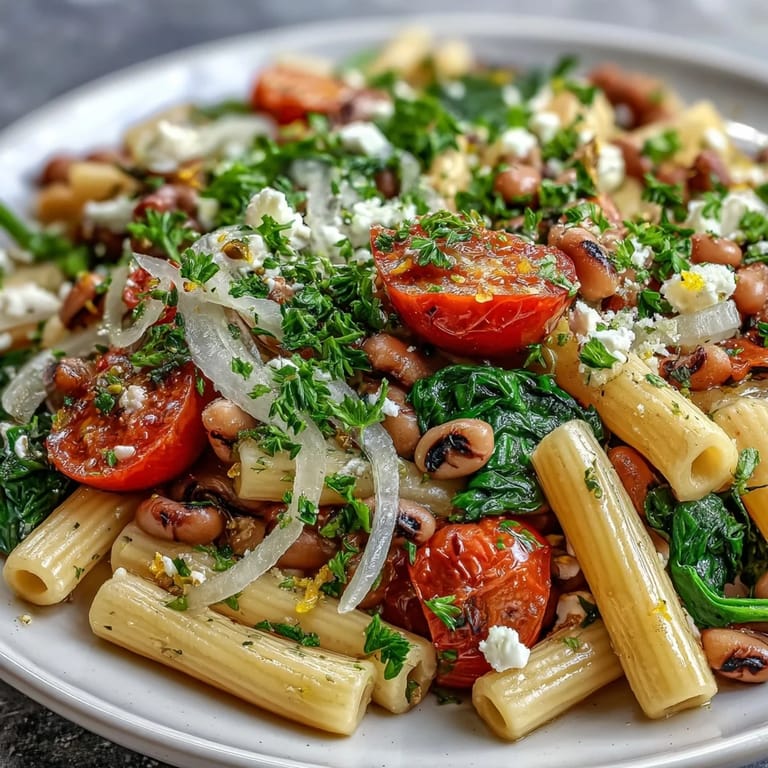
Save My friend Maria called one Tuesday evening, frustrated about her usual pasta routine feeling stale. She wanted something that felt Mediterranean but didn't require hours of planning or a trip to specialty stores. I grabbed what I had on hand—a can of black-eyed peas I'd been meaning to use, fresh herbs from the garden, and some good olive oil—and within thirty minutes, we had bowls of something that tasted far more interesting than the sum of its simple parts. That dish became our go-to now, especially when we both need something nourishing without the fuss.
I made this for my mom on a Sunday when she mentioned feeling tired of her usual meal rotation, and watching her face light up when she tasted the brightness of the lemon mixed with those soft tomatoes reminded me why cooking for people matters. She asked for the recipe before she'd even finished her bowl, which in her world means everything.
Ingredients
- Pasta (300 g): Penne, fusilli, or farfalle work beautifully here because their shapes catch the oil and herbs, but honestly, use whatever you love because the pasta is just the foundation.
- Black-eyed peas (1 can, 400 g, drained and rinsed): These creamy legumes give the dish substance and protein without heaviness, and they're so forgiving that canned works just as well as fresh.
- Extra-virgin olive oil (3 tablespoons): This is where flavor lives in this dish, so don't skimp or use the cheap stuff—good oil makes an actual difference.
- Garlic cloves (3, finely sliced): Slicing instead of mincing gives you little pockets of garlicky flavor rather than overwhelming everything, which I learned by accidentally mincing once and regretting it.
- Red onion (1 small, thinly sliced): The sharpness mellows as it cooks and adds color and sweetness that balances the earthiness of the peas.
- Fresh oregano (1 tablespoon) or dried (1 teaspoon): Fresh is brighter if you have it, but dried oregano works perfectly fine and honestly keeps better in your pantry.
- Fresh parsley and basil (2 tablespoons each, chopped): These go in at the end so they stay vibrant and add freshness that cooking would steal away.
- Cherry tomatoes (1 cup, halved): They soften just enough to release their juice into the oil without turning into mush, creating a light sauce.
- Baby spinach (1 cup): It wilts in seconds right at the finish, adding nutrition and a tender leafy texture.
- Sea salt and black pepper: Taste as you go because different brands of everything taste different, and you want to land on seasoning that feels right to you.
- Red pepper flakes (1 pinch, optional): A tiny bit adds warmth without making it spicy, but leave it out if heat isn't your thing.
- Lemon (½, zest and juice): The zest adds brightness before you even taste it, and the juice wakes everything up at the end.
- Feta cheese (50 g, crumbled, optional): Salty and tangy, it's lovely if you have it, but the dish stands beautifully without it too.
Tired of Takeout? 🥡
Get 10 meals you can make faster than delivery arrives. Seriously.
One email. No spam. Unsubscribe anytime.
Instructions
- Get your pasta water boiling:
- Salt your water well so it tastes like the sea, then add pasta and cook until just tender enough to bite through with a little resistance. While it bubbles away, you'll have time to prep everything else.
- Build your flavor foundation:
- Warm the olive oil over medium heat and add your sliced garlic and red onion, listening for that gentle sizzle that tells you they're getting soft and fragrant. After two or three minutes, you'll smell when they're ready.
- Soften the tomatoes:
- Add the halved cherry tomatoes and let them warm through for a few minutes until they start to collapse slightly and release their juice into the oil. This creates a light, naturally sweet sauce.
- Introduce the black-eyed peas:
- Stir in the drained peas along with oregano, salt, pepper, and red pepper flakes if you're using them. A quick minute of cooking brings everything into conversation.
- Bring it all together:
- Drain your pasta, add it to the skillet with a splash of that starchy cooking water you reserved, and toss everything together until the pasta absorbs some of that garlicky oil. The cooking water helps everything coat evenly and creates a silky finish.
- Finish with freshness:
- Turn off the heat, add the spinach and let it wilt from residual warmth, then stir in the lemon zest, juice, fresh parsley, and basil. This is where the dish transforms into something bright and alive.
- Serve and taste:
- Divide among bowls, add feta if you like, and taste before you eat so you can adjust the seasoning to your preference. Sometimes a pinch more salt or lemon is exactly what it needs.
 Save
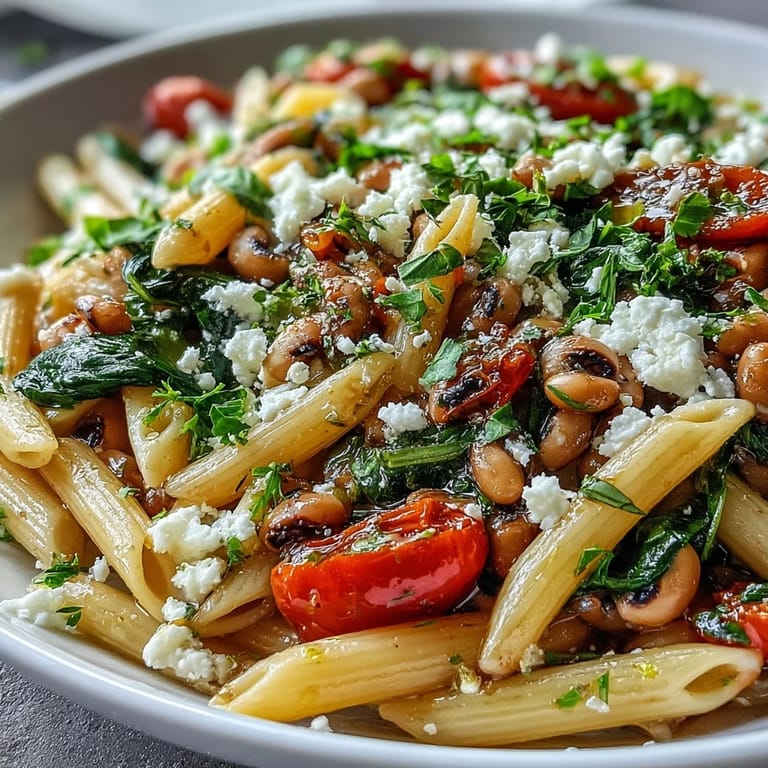
Save There's a moment when you toss the hot pasta with the warm oil and tomatoes and everything glistens, and you know before anyone tastes it that this is going to be good. That's the moment I remember why cooking matters, even on nights when I'm tired and the kitchen feels like another obligation.
Why Black-Eyed Peas Work Here
Black-eyed peas have this almost creamy texture that makes the dish feel substantial without being heavy, and they're earthy enough to stand up to garlic and herbs without disappearing into the background. Unlike some legumes that can feel like an afterthought, these peas actually taste like part of the story, and that matters. I've learned that canned peas work just fine as long as you rinse them well, which removes some of the sodium and any tinny flavor that canned things sometimes carry.
The Lemon Factor
I used to make this without lemon and wondered why it felt flat, then one day I added some almost as an afterthought and suddenly everything sang. The acid in lemon juice doesn't just add tartness—it brightens everything and makes you taste the herbs more clearly and the tomatoes more deeply. It's the difference between a dish that's fine and one that makes you pause mid-bite and smile.
Making It Your Own
This recipe is honestly a template more than a prescription, which is why I love it so much. You can add grilled chicken if you want protein, or roasted vegetables like zucchini or bell peppers if that's what you have. Some people like it warm, some prefer it at room temperature the next day, and honestly both versions are delicious in completely different ways.
- If you want it vegan, just skip the feta or find a plant-based version you like.
- Dried herbs work fine if fresh aren't available, just use about a third the amount since they're more concentrated.
- This makes great leftovers and actually tastes even better the next day once everything has had time to know each other better.
 Save
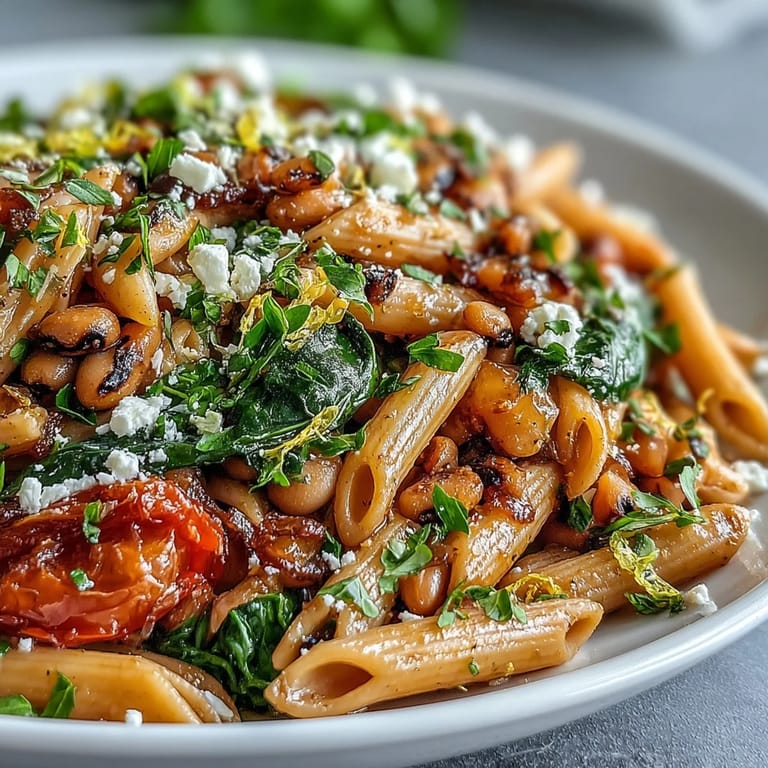
Save This is the kind of meal that proves you don't need fancy techniques or obscure ingredients to make something delicious and worth remembering. Make it once and it becomes the kind of dish you return to again and again.
Recipe FAQs
- → Can I use dried black-eyed peas instead of canned?
Yes, you can use dried black-eyed peas. Soak them overnight, then cook until tender before adding to the pasta. This will extend your preparation time but allows for better control over texture and seasoning.
- → What other pasta shapes work well with this dish?
Short pasta shapes like penne, fusilli, farfalle, rotini, or macaroni work best as they catch the peas and vegetables in their crevices. Whole wheat or legume-based pasta can add extra protein and fiber.
- → How can I add more protein to this pasta?
Consider adding grilled chicken strips, sautéed shrimp, or white beans. For plant-based options, incorporate chopped walnuts or pine nuts, or serve with a side of chickpeas.
- → Can this be made ahead for meal prep?
This dish stores well for 3-4 days when refrigerated in an airtight container. Reheat gently with a splash of water or olive oil to refresh the pasta. Add fresh herbs and lemon just before serving.
- → What vegetables can I substitute or add?
Roasted bell peppers, zucchini, eggplant, or artichoke hearts work beautifully. Kale or Swiss chard can replace spinach, and sun-dried tomatoes add intense flavor when fresh tomatoes aren't available.
- → Is this suitable for gluten-free diets?
Simply substitute regular pasta with certified gluten-free pasta made from rice, corn, quinoa, or chickpeas. All other ingredients naturally contain no gluten.