 Save
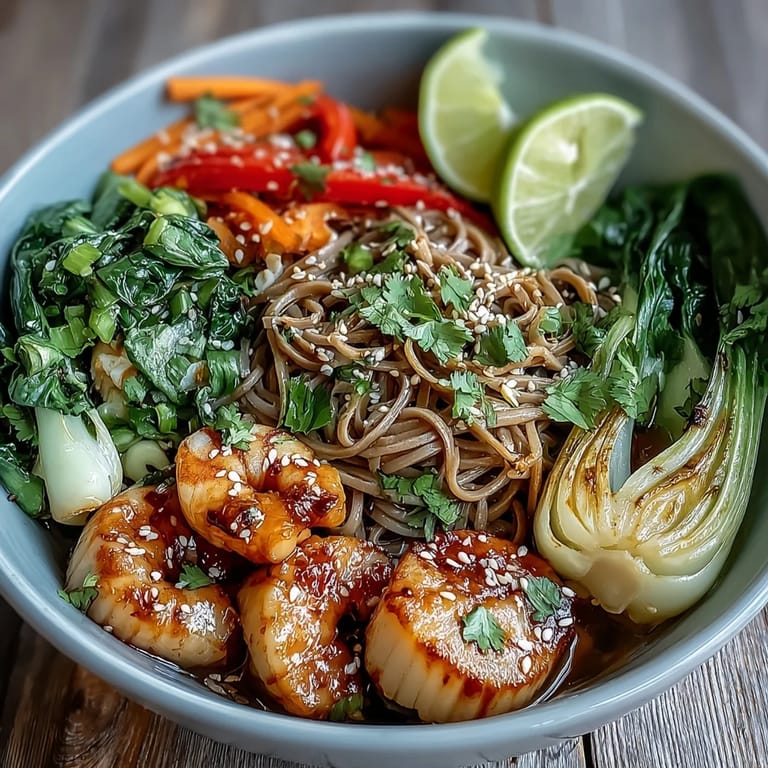
Save There's something about the steam rising from a bowl of noodles that makes you slow down. I discovered this particular combination on a quiet Tuesday evening when I had shrimp and scallops in the fridge and absolutely no plan beyond that. The broth came together almost by accident, layer after layer of umami that reminded me why Asian cooking feels like alchemy to me. Within twenty minutes, I had something that tasted like it belonged in a proper restaurant, except better because it was mine.
I made this for my partner one night when he came home looking absolutely exhausted, the kind of tired where regular food doesn't cut it. Watching him take that first spoonful and actually pause, really taste it, made me realize this recipe does something beyond filling a stomach. It became our quiet dinner ritual on nights when we needed a little care without any fuss.
Ingredients
- Large shrimp, 200 g: Choose ones that are still slightly firm and smell like the ocean, not ammonia; they'll finish cooking in mere minutes so don't second-guess their doneness.
- Sea scallops, 200 g: Pat them completely dry before cooking or they'll steam instead of developing that delicate sweetness.
- Rice or soba noodles, 200 g: Soba adds an earthy note that shrimp loves, but rice noodles keep things lighter and more delicate.
- Carrot, julienned: The thin cuts let it cook in the broth without turning mushy, adding a natural sweetness.
- Red bell pepper, thinly sliced: It stays crisp-tender and brings visual brightness that tastes as good as it looks.
- Snow peas, 100 g: These little vegetables are the unsung heroes, providing that perfect snap you want in every bite.
- Baby bok choy, 4 halves: They soak up the broth beautifully and cook down just enough to be tender but still have structure.
- Spring onions, sliced: Save these for the end so they stay fresh and provide that bright onion bite.
- Fresh ginger, 1 tablespoon grated: This is where the entire dish gets its personality, so don't skimp or use powder.
- Garlic cloves, 2 minced: Mince them fine so they disperse evenly throughout the broth.
- Low-sodium broth, 1 liter: I use vegetable broth most often because it lets the seafood shine without competing flavors.
- Soy sauce, 2 tablespoons: This is your salt and depth, but taste as you go because broths vary.
- Fish sauce, 1 tablespoon: It sounds intimidating but dissolves into an umami layer that makes people ask what's in this.
- Sesame oil, 1 tablespoon: Use it for cooking the aromatics, not for heating high or it turns bitter.
- Rice vinegar, 1 tablespoon: It brightens everything without the harsh edge of regular vinegar.
- Chili paste, 1 teaspoon optional: Keep it nearby if anyone at your table enjoys heat, but the broth is lovely without it.
- Fresh cilantro, sesame seeds, lime wedges: These aren't optional in my kitchen; they're what make people want seconds.
Tired of Takeout? 🥡
Get 10 meals you can make faster than delivery arrives. Seriously.
One email. No spam. Unsubscribe anytime.
Instructions
- Start your noodles first:
- Cook them according to the package timing, then rinse under cold water until they're completely cool. This stops them from becoming a stuck-together mass and lets you control the texture when the broth hits them.
- Build your flavor foundation:
- Heat sesame oil in a large pot over medium heat, then add ginger and garlic. The kitchen should smell incredible within one minute, and that's your signal you're on the right track.
- Create the broth:
- Pour in broth, soy sauce, fish sauce, and rice vinegar, then bring everything to a gentle simmer. You're not boiling; you're coaxing flavors together.
- Blanch your vegetables wisely:
- Add carrots, bell pepper, snow peas, and bok choy to the simmering broth. Three to four minutes is all they need; you want them tender but still with a whisper of crunch.
- Cook seafood with respect:
- Add shrimp and scallops and let them simmer for just two to three minutes until they turn opaque. Watch them carefully because overcooking seafood is the one mistake you really don't want to make.
- Taste and adjust:
- This moment matters. Taste the broth and add chili paste if you want heat, or a pinch more fish sauce if it needs depth.
- Assemble each bowl:
- Divide the noodles among four bowls, then ladle broth, seafood, and vegetables over top. Pour generously so every bite has broth.
- Finish with intention:
- Top each bowl with spring onions, cilantro, sesame seeds, and a squeeze of lime right before serving. The lime is non-negotiable; it's what ties everything together.
 Save
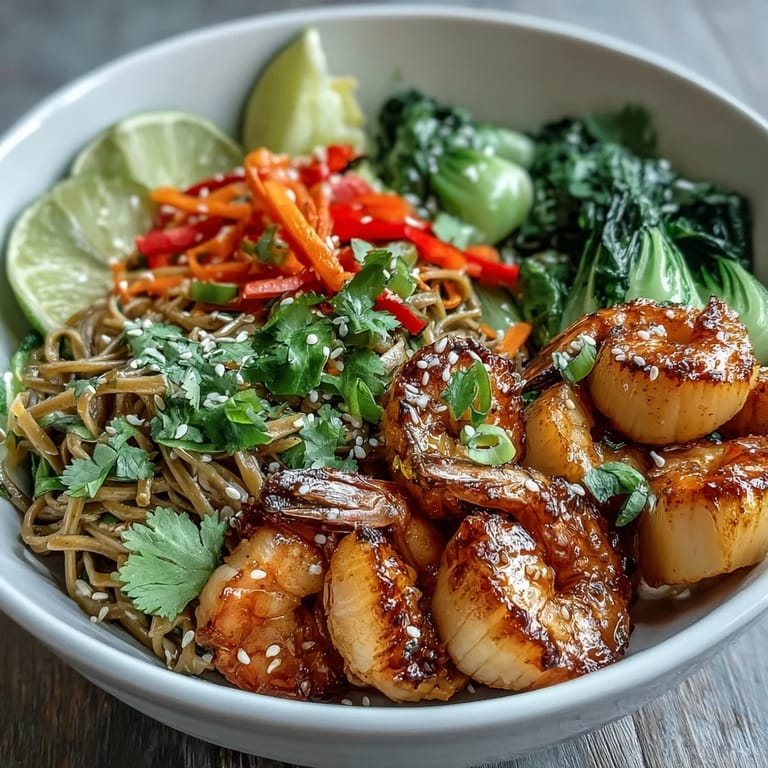
Save I've learned that this bowl does something interesting at the table, the way people pause and actually taste instead of just eating. There's something about the combination of tender seafood, hot broth, and fresh garnishes that creates a moment instead of just dinner.
Why This Works as One Perfect Bowl
Every component has a job. The noodles give you substance, the seafood brings protein and elegance, and the vegetables provide texture and nutrition. The broth is the conductor, bringing everything into conversation. It's balanced enough that you don't feel heavy, but substantial enough that you actually feel satisfied afterward. This is the kind of dish that works for a weeknight, but also looks impressive enough for company.
Building Your Own Variations
Once you understand this framework, you can play with it without losing the soul of the dish. I've made it with mushrooms instead of scallops on weeks when I wanted to stretch the budget, and with added chili heat when friends who love spice came over. The beauty is that the broth base stays consistent while everything else becomes personal.
The Small Details That Change Everything
There's a difference between reading a recipe and understanding why each step exists. The cold water rinse on the noodles, the careful attention to seafood cooking time, the fresh lime wedge at the end, these aren't small things. They're the difference between a good noodle bowl and one that makes someone ask for the recipe. I've watched people try to skip steps before, and the result always falls a little flat.
- Pat your seafood completely dry before cooking so it develops flavor instead of steaming in its own moisture.
- Toast your sesame seeds in a dry pan for thirty seconds just before serving to wake up their nutty flavor.
- Always taste the broth before serving because every ingredient varies slightly, and this final taste check is your safety net.
 Save
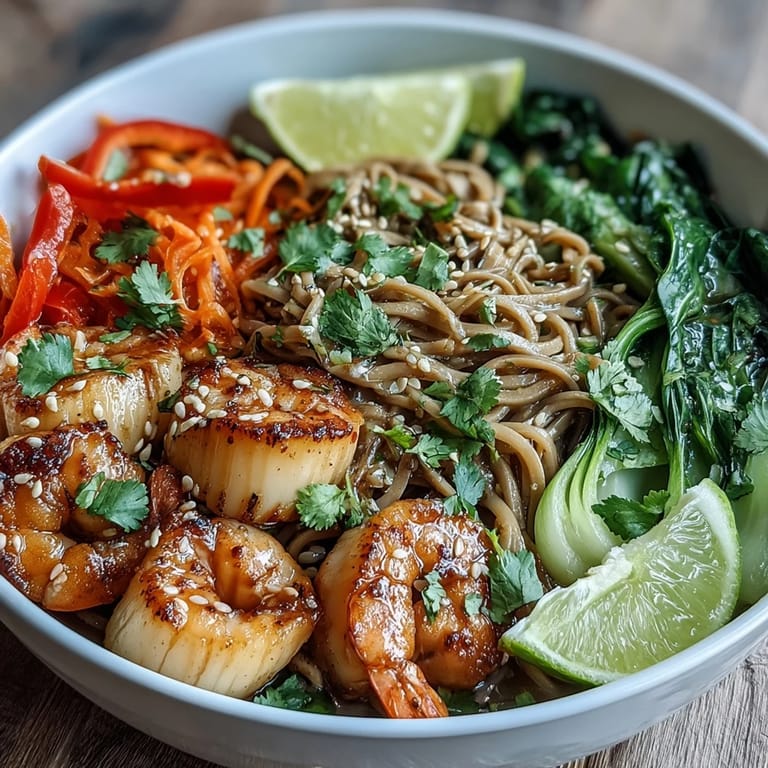
Save This noodle bowl has become one of those recipes I return to again and again, not because it's complicated, but because it feels like eating a warm hug. Make it once and it becomes yours.
Recipe FAQs
- → What type of noodles work best?
Rice noodles and soba noodles both work beautifully. Rice noodles offer a delicate texture that absorbs the broth, while soba adds a nutty flavor and slightly firmer bite. Udon or egg noodles make excellent alternatives based on your preference.
- → How do I prevent overcooking the seafood?
Add the shrimp and scallops during the last 2–3 minutes of simmering. They should turn opaque and firm slightly but remain tender. Remove them from heat immediately once cooked through to maintain their delicate texture.
- → Can I make this vegetarian?
Absolutely. Omit the seafood and use firm tofu cubes instead. For the broth, choose vegetable broth and replace fish sauce with extra soy sauce or a vegetarian alternative to maintain the savory depth.
- → How spicy is this dish?
The base preparation is mild with balanced savory flavors. Add chili paste to taste if you enjoy heat. Start with a small amount and adjust—the spice level is entirely customizable to your preference.
- → Can I prepare components in advance?
You can julienne the vegetables and prepare the broth ahead of time. Cook the noodles just before serving to prevent them from becoming sticky. The seafood cooks quickly, so add it fresh when you're ready to eat for the best texture.
- → What can I serve alongside this bowl?
This dish is complete on its own but pairs wonderfully with crispy spring rolls, steamed dumplings, or a simple cucumber salad. A crisp Riesling or light lager complements the Asian flavors beautifully.