 Save
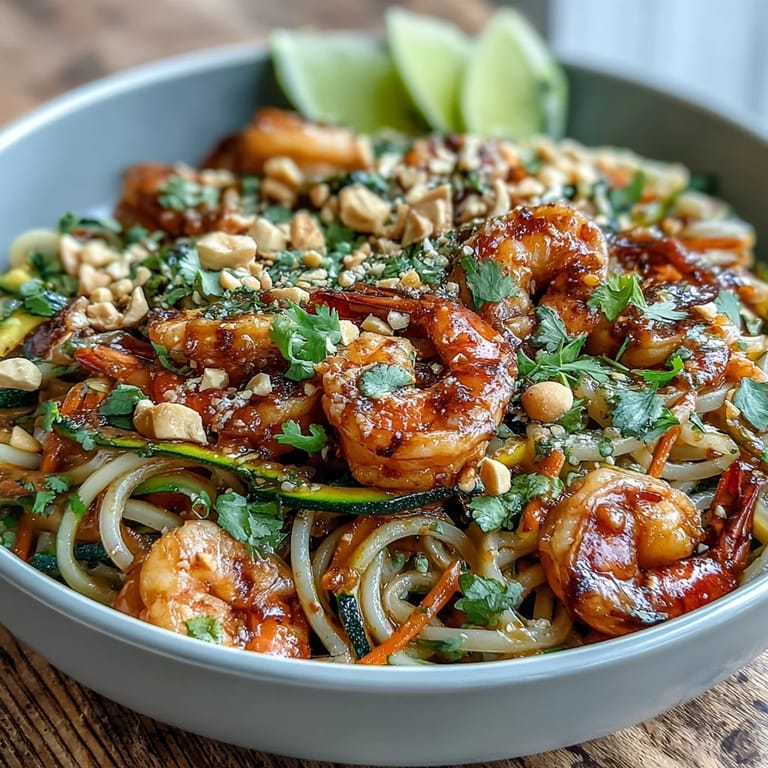
Save My neighbor stopped by one evening with a bag of fresh shrimp from the market, and I had maybe twenty minutes before dinner guests arrived. I rummaged through the pantry, found some rice noodles and a half-empty bottle of sesame oil, and threw together what became this bowl. It was pure improvisation, but the way everyone went back for seconds told me I'd stumbled onto something worth repeating.
There was a Tuesday when I made this for my sister after she'd had a rough day at work. She sat at the counter watching the shrimp turn pink, and by the time I handed her the bowl with those bright cilantro leaves on top, she'd already smiled for the first time that day. Food doesn't always fix things, but sometimes it softens the edges enough to help.
Ingredients
- Medium shrimp, peeled and deveined (400 g): Buy them fresh if you can find them, but frozen works beautifully too—just thaw them completely and pat dry before cooking so they don't release water into your pan.
- Rice noodles (200 g): These cook fast and have a delicate texture that soaks up the sauce without turning mushy if you rinse them after cooking.
- Zucchini, julienned (1 medium): The thin cuts mean it stays crisp and doesn't overcook, adding a subtle sweetness to the bowl.
- Carrot, julienned (1 large): I learned the hard way that matching your vegetable cuts matters—uniform strips cook evenly and look intentional.
- Garlic, minced (2 cloves): Mince it just before cooking so it releases all its fragrant oils into the hot oil.
- Green onions, sliced (3): Save some for garnish on top; the fresh crunch at the end makes a real difference.
- Soy sauce (3 tbsp): Use tamari or gluten-free soy sauce if you need to, and taste your sauce before adding it to the pan so you can adjust the saltiness.
- Lime juice (2 tbsp): Fresh lime is essential here—bottled just doesn't have the same brightness that makes your mouth water.
- Sesame oil (1 tbsp): A little goes a long way, and toasted sesame oil smells incredible, so use that if you have it.
- Honey or maple syrup (1 tbsp): This rounds out the sauce and prevents it from tasting too sharp or acidic.
- Chili garlic sauce, optional (1 tsp): Add this if you want heat, but the bowl is perfectly balanced without it if your guests prefer mild.
- Roasted peanuts, roughly chopped (50 g): The crunch and richness are what make people ask for the recipe, so don't skip this.
- Fresh cilantro leaves (1/3 cup): This herb is the final touch that makes everything taste bright and intentional.
- Lime wedges, for serving: A squeeze of fresh lime right before eating elevates each bite.
Tired of Takeout? 🥡
Get 10 meals you can make faster than delivery arrives. Seriously.
One email. No spam. Unsubscribe anytime.
Instructions
- Cook the noodles until tender:
- Follow the package time, then drain and run them under cold water so they don't stick together or keep cooking. Set them aside on a plate.
- Mix the sauce in a small bowl:
- Whisk soy sauce, lime juice, sesame oil, honey, and chili garlic sauce together until the honey dissolves. Taste it straight from the spoon—this is your chance to adjust before everything hits the pan.
- Toast the garlic in hot oil:
- Heat your wok or large skillet over medium-high heat, add a splash of neutral oil, and let it shimmer before adding minced garlic. You want to hear it sizzle gently for about thirty seconds until your kitchen smells incredible.
- Cook the shrimp until pink:
- Add shrimp to the hot pan and resist the urge to move them around constantly—let each side get a quick sear for about two minutes total. They'll turn from gray to bright pink when they're done, and that's your signal to remove them to a plate.
- Stir-fry the vegetables briefly:
- In the same pan, add zucchini and carrot and keep the heat high for two to three minutes, tossing constantly so they stay crisp and don't release too much water.
- Toss everything together with sauce:
- Add the cooked noodles, green onions, and your sauce to the pan and use two utensils to gently toss everything until it's coated and warm. The noodles should glisten with sauce.
- Return the shrimp and combine:
- Add the cooked shrimp back in and fold everything together gently so you don't break them apart. Let it warm through for a minute.
- Divide and garnish:
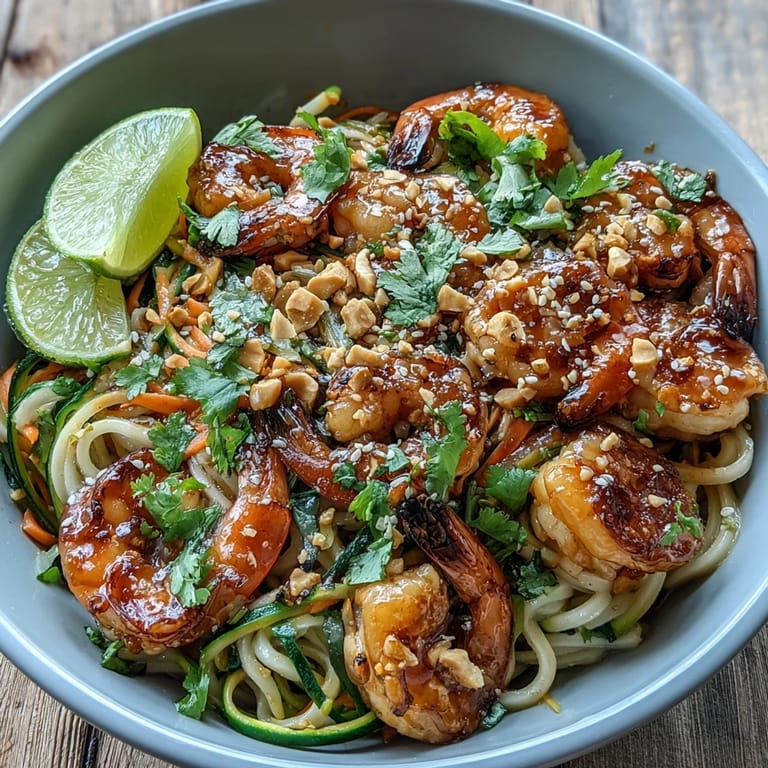
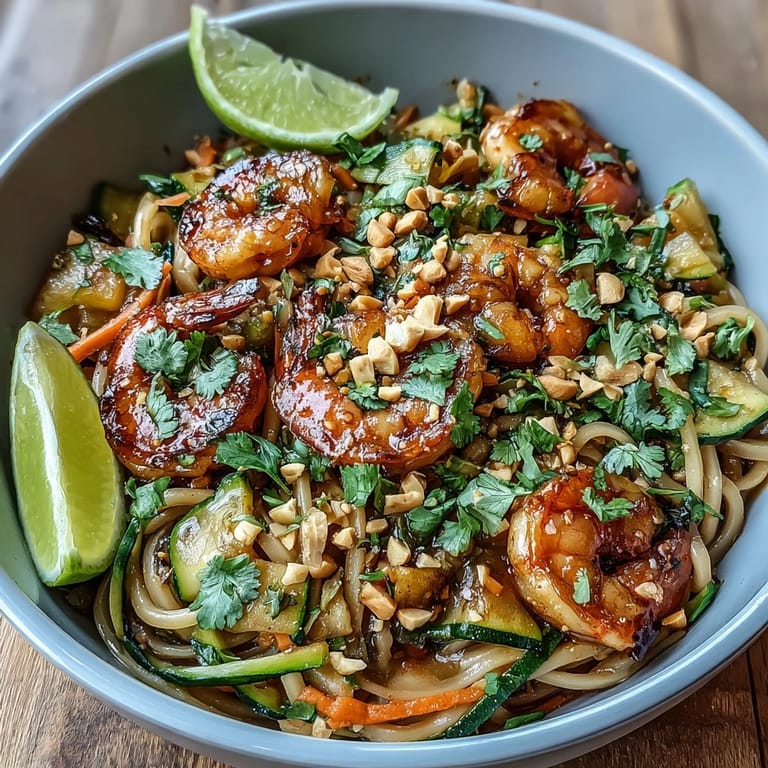
- Spoon into four bowls and top each with a handful of peanuts, fresh cilantro, and a lime wedge on the side.
 Save
Save My partner brought home a guest one night who claimed they didn't like cilantro, so I made two bowls—one with, one without. She tried mine and quietly asked if she could have some cilantro too, which felt like a small victory in the kitchen.
Why Shrimp Makes This Special
Shrimp cooks so quickly that this bowl never feels like a production, but it tastes elegant and restaurant-quality. The slight sweetness of properly cooked shrimp plays beautifully against the savory sauce and lime brightness. If you've never cooked shrimp at home before, this is the perfect dish to start with because there's very little that can go wrong.
Building Flavor Layers
What makes this bowl memorable is the way each component adds something different. The noodles are your base, the vegetables add texture and freshness, the shrimp brings protein and a touch of the sea, and the sauce ties everything together with umami and brightness. I learned that taking two minutes to taste your sauce before it hits the pan is the difference between a good bowl and one you actually crave.
Room for Your Personal Touch
This recipe is a template, not a rule book. I've made it with what I had in the fridge more times than I can count, and it's never disappointed me. The beauty is in how forgiving it is—swap vegetables based on the season, adjust the heat level to your preference, or add something totally unexpected.
- Try sliced red bell pepper or snap peas if you want even more crunch and color.
- If shellfish isn't your thing, chicken breast or firm tofu work beautifully here.
- Make it gluten-free by using tamari instead of regular soy sauce—your guests won't notice the difference.
 Save
Save This bowl has become my answer to the question of what to make when I want something that feels special but doesn't demand hours in the kitchen. It's the kind of dish that brings people together without any fuss.
Recipe FAQs
- → Can I make this dish ahead of time?
The sauce can be prepared up to 3 days in advance and stored in the refrigerator. Vegetables can be julienned a day ahead, but it's best to cook the noodles and shrimp just before serving to maintain optimal texture and freshness.
- → What other proteins work well in this bowl?
Firm tofu cubes, sliced chicken breast, or even thinly sliced beef make excellent alternatives to shrimp. For a vegetarian version, tofu works beautifully, while chicken offers a lean protein option that cooks in the same timeframe.
- → How do I prevent rice noodles from sticking together?
After cooking, rinse the noodles thoroughly with cold water to remove excess starch and stop the cooking process. Toss them with a small amount of sesame oil before setting aside. This keeps them separate and ready for stir-frying.
- → Can I add more vegetables to increase the crunch?
Absolutely. Snap peas, thinly sliced red bell pepper, bean sprouts, or shredded cabbage all add wonderful texture and color. Add heartier vegetables like peppers or snap peas during the initial stir-fry, while delicate sprouts should be added at the very end.
- → Is this dish spicy?
The base version is mild with just a hint of warmth from garlic. The chili garlic sauce is optional—start with half a teaspoon if you're sensitive to heat, or increase to a full teaspoon or more if you enjoy spicy dishes. The balance of sweet honey and tangy lime helps moderate any spiciness.
- → What's the best way to julienne vegetables for this dish?
Use a sharp knife or a julienne peeler for consistent, thin strips. For zucchini and carrots, cut them into matchstick-sized pieces about 2-3 inches long. This ensures they cook quickly and evenly while maintaining a pleasant crunch in the finished bowl.