 Save
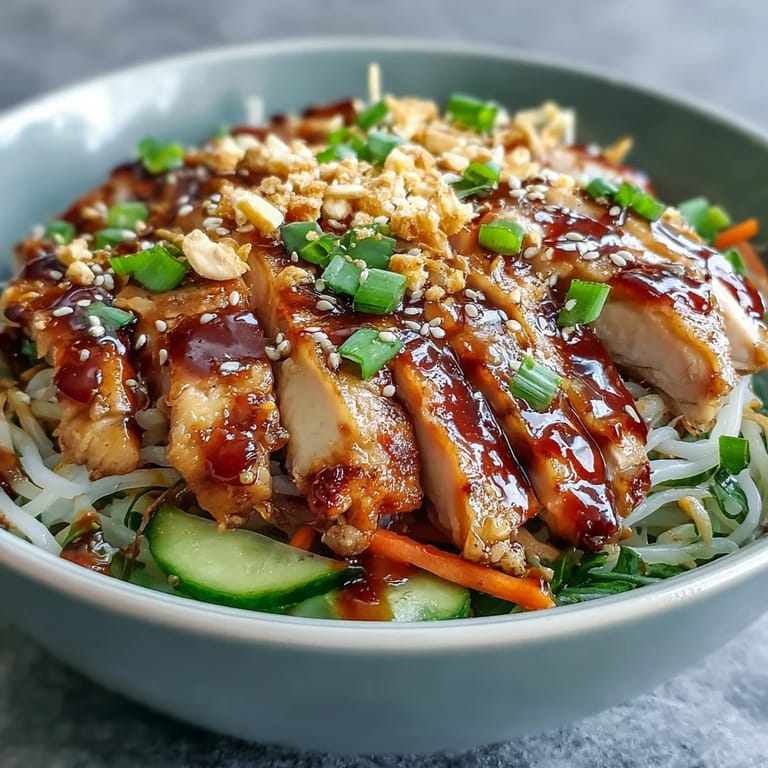
Save One rainy Tuesday, I stood in my kitchen watching a pot of water steam up my glasses, thinking about how my neighbor had just raved about a noodle bowl she'd grabbed at a small Vietnamese place downtown. Something about the way she described the sauce—tangy but somehow sweet, coating everything perfectly—stuck with me. I started playing around that evening with what I had on hand: soy sauce, fish sauce, a squeeze of honey, and some sesame oil I'd been saving. By the time my partner walked in, the whole apartment smelled like garlic and ginger, and I had four bowls lined up that tasted honestly better than what inspired them.
I made this for a potluck once where someone had just announced they were trying to cut out dairy, and I watched her face light up when she realized she could actually eat something substantial. That moment taught me that dairy-free doesn't mean flavorless—if anything, the sesame oil and fish sauce make this bowl richer than any cream-based dish could.
Ingredients
- Boneless, skinless chicken breast or thighs: Thighs stay juicier when cooked quickly, but breasts work fine if that's what you have—just don't slice them paper-thin or they'll dry out.
- Tamari or low-sodium soy sauce: Tamari has a deeper, less salty flavor that I prefer, but regular soy sauce is a perfectly honest substitute.
- Fish sauce: I know it smells like the ocean decided to visit your kitchen, but trust me—it adds an umami depth that nothing else can replicate.
- Rice vinegar: This cuts through the richness without being aggressive like white vinegar would be.
- Honey: Balances the saltiness and creates that glossy coating the sauce needs.
- Toasted sesame oil: The toasted kind is non-negotiable here—it has this nutty warmth that regular sesame oil just doesn't deliver.
- Neutral oil: Helps prevent sticking and keeps the pan temperature stable.
- Garlic and ginger: Ginger's optional but I never skip it—the fresh bite it adds is worth the extra minute of grating.
- Rice noodles: They're delicate and soak up sauce beautifully; wheat noodles work if you prefer something heartier.
- Fresh vegetables: Carrots, cucumber, bell pepper, spring onions, and bean sprouts—the variety of textures and colors is what makes this bowl feel alive on the plate.
- Cilantro and sesame seeds: These aren't just garnish; they're the final flavor notes that make everything feel intentional.
Tired of Takeout? 🥡
Get 10 meals you can make faster than delivery arrives. Seriously.
One email. No spam. Unsubscribe anytime.
Instructions
- Make your magic sauce:
- Whisk together tamari, fish sauce, rice vinegar, honey, both oils, garlic, and ginger in a medium bowl. This is your moment to taste and adjust—if it's too salty, add a touch more vinegar; if it's too sharp, a drizzle more honey smooths it out. Split the mixture in half, setting one portion aside for drizzling later.
- Marinate the chicken:
- Toss your sliced chicken into the first half of the sauce and let it sit for 15 minutes. This is the time to prep your vegetables so nothing's rushed when you're actually cooking.
- Cook the noodles:
- Boil a pot of water and cook the rice noodles exactly according to the package instructions—they go from perfectly chewy to mushy in about 30 seconds, so don't wander off. Drain them, rinse under cold water until they stop steaming, and set aside.
- Sear the chicken:
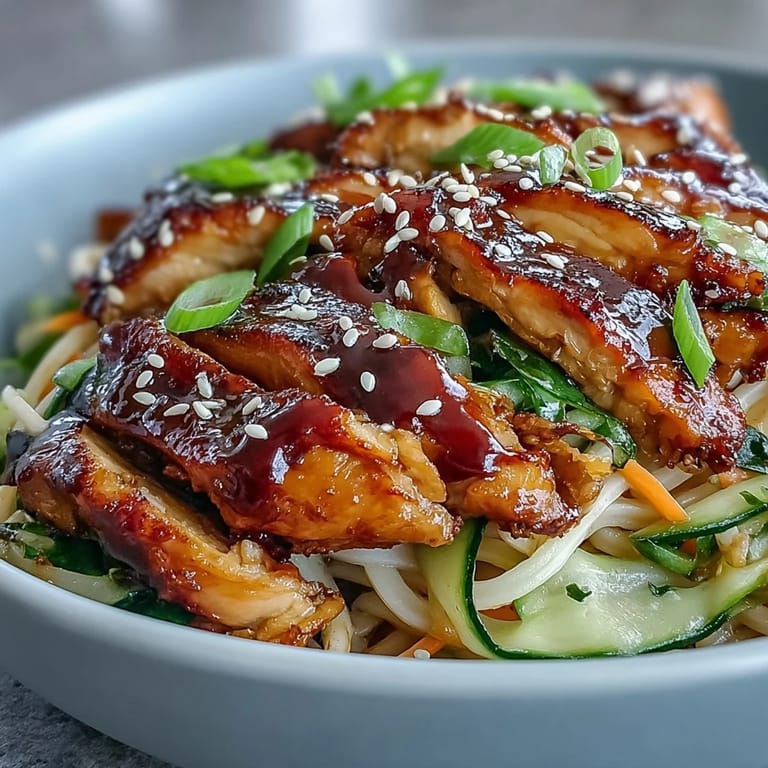
- Get a large skillet or wok smoking hot over medium-high heat, then add the marinated chicken with all its sauce. You'll hear that satisfying sizzle—let it cook undisturbed for about 3 minutes so it gets a little color, then stir and cook another 2 to 4 minutes until it's cooked through and the edges are slightly caramelized.
- Assemble your bowls:
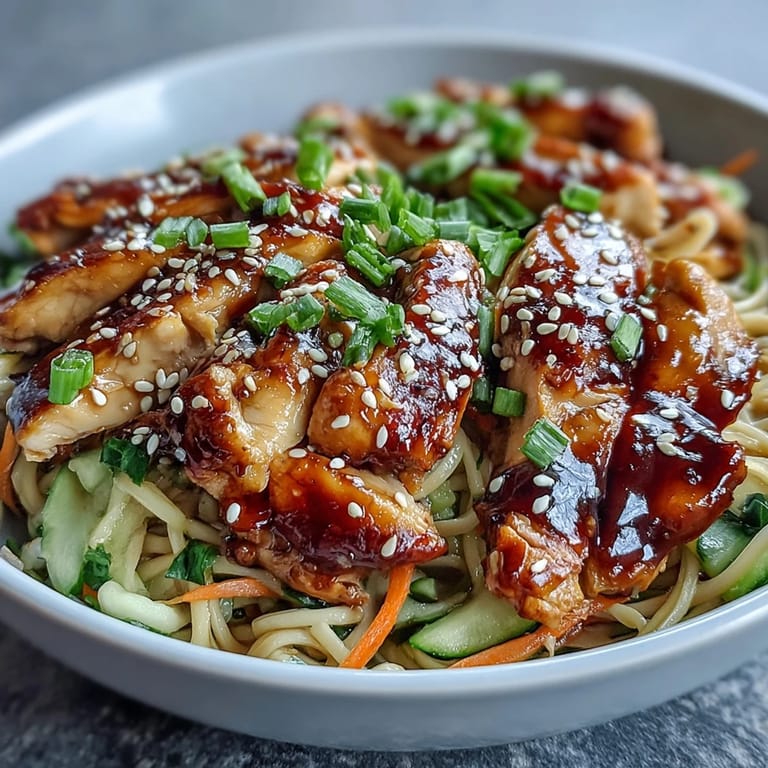
- Divide the cooled noodles among four bowls, then arrange the chicken and all your prepped vegetables in neat clusters on top. It doesn't have to be perfect—I usually just pile things on in whatever way looks appetizing.
- Sauce and garnish:
- Drizzle that reserved sauce over everything, scatter cilantro and sesame seeds on top, and squeeze lime juice over the whole thing. The lime's crucial—it brings everything into focus.
 Save
Save My kid once asked why this bowl smelled so good when there wasn't any cheese in it, and that question somehow perfectly captured what this dish does—it proves that flavor doesn't need cream or butter to feel indulgent and complete. Now it's the thing they request on nights when they've had a tough day, which tells me everything I need to know.
The Sauce Moment
The real magic happens when that sauce hits the warm noodles and chicken—everything gets glossy and unified in a way that feels almost intentional. I learned early on that the ratio of sauce to noodles matters; I used to be stingy with it and ended up with dry bowls, but now I err on the generous side. One extra drizzle can transform the whole eating experience.
Playing With Vegetables
I've made this bowl with roasted broccoli instead of raw vegetables on cold nights, and with shredded mango when I had it sitting around—the structure stays the same but the mood changes completely. The point isn't to follow my vegetable list religiously; it's to think about what textures and flavors are calling to you that day. If you love snap peas, add them; if you think edamame belongs here, you're right.
When You Need It to Feel Special
Sometimes I make this for people who are on restrictive diets or in a food rut, and watching them taste something this satisfying without feeling deprived reminds me why I cook at all. The aromatics—that garlic and ginger hitting hot oil—create an experience before anyone even takes a bite. If you want to elevate it slightly, cook the chicken in the wok a few minutes before everything else, then set it aside and quickly stir-fry the vegetables in the remaining heat before plating.
- Toast your sesame seeds lightly in a dry pan just before serving if you have time—the difference between warm and room-temperature seeds is noticeable.
- Keep extra lime wedges on the table because people will want more acidity than you think, and that's a good thing.
- If anyone asks if they can add heat, hand them the bottle of Sriracha without comment—some people like it and some don't, and that's between them and their bowl.
 Save
Save This bowl has become the dish I make when I want to feel capable in the kitchen without spending hours there, and when I want people to leave the table feeling genuinely nourished. It's proof that simple ingredients, when treated with a little attention, become something that tastes intentional.
Recipe FAQs
- → What type of noodles work best?
Rice noodles are traditional and naturally gluten-free, but wheat noodles, soba, or even ramen work beautifully. Just cook according to package instructions and rinse well to prevent sticking.
- → Can I prepare this ahead?
Yes—marinate the chicken up to 24 hours in advance. Slice vegetables and store them separately in the refrigerator. The sauce can be whisked together and kept for 2-3 days. Assemble just before serving for the freshest texture.
- → Is this dish spicy?
As written, it delivers mild heat from the optional chili flakes. The base sauce is savory-sweet rather than spicy. Adjust to your preference by adding more chili flakes, Sriracha, or fresh sliced chilies during garnish.
- → What's a good vegetarian alternative?
Replace the chicken with firm tofu cubes or tempeh. Omit the fish sauce or use a vegetarian version made from seaweed. The preparation remains the same—marinate the protein and cook until golden and slightly crispy.
- → How do I store leftovers?
Store components separately in airtight containers for up to 3 days. Keep the sauce apart from noodles and vegetables to maintain texture. Reheat chicken gently in a pan and toss everything together just before serving.