 Save
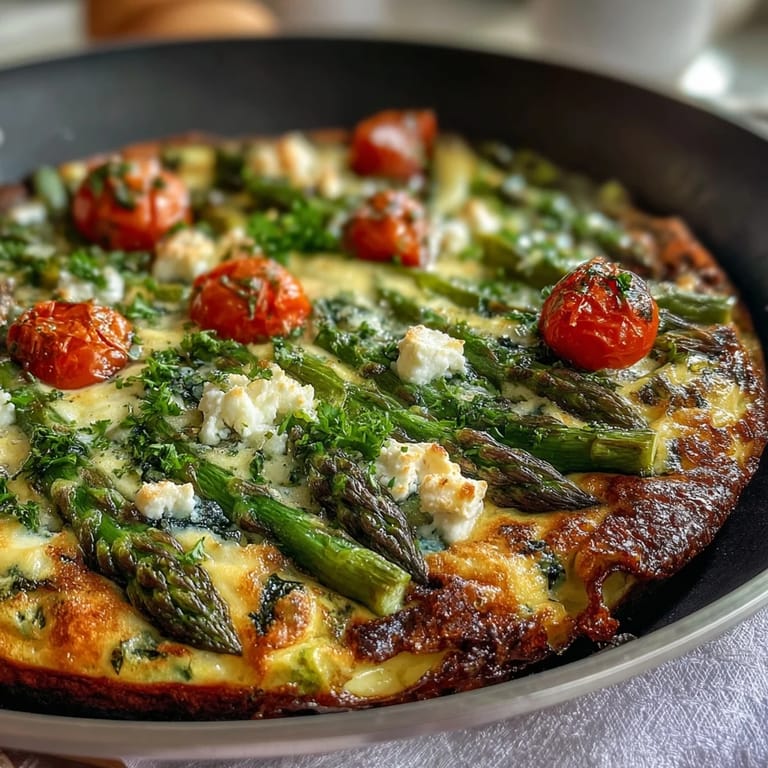
Save There's something about a spring morning that makes me want to cook eggs with vegetables still wet from the garden hose. My neighbor handed me a bundle of asparagus one April, and I had no idea what to do with it beyond roasting, so I threw it into a skillet with whatever else I had and let the oven finish the job. That accidental frittata became the reason I now keep goat cheese in my fridge year-round.
I made this for my sister the morning after she arrived unannounced, no fancy grocery run, just what was hanging around in my crisper drawer. She ate three slices standing up at my kitchen counter, and that's when I knew I'd stumbled onto something worth keeping. Now she texts me photos of frittatas she's attempted, and somehow that little moment of feeding someone unexpectedly became our thing.
Ingredients
- Asparagus: Trim the woody ends and cut into bite-sized pieces; they'll soften just enough in the skillet without turning mushy, which matters more than you'd think.
- Baby spinach: The rough chop keeps it rustic and means you're not fussing with your knife for ages.
- Zucchini: Dice it small so it cooks evenly and blends into the eggs rather than sitting as hard little chunks.
- Cherry tomatoes: Halving them keeps the bursts of sweetness distributed throughout without overwhelming any single bite.
- Green onions: Slice them fresh right before you use them; the moment you cut them is when they taste brightest.
- Eggs: Eight large ones create that custardy, cloud-like texture that makes a frittata feel lighter than scrambled eggs.
- Whole milk or cream: A quarter cup loosens the egg mixture just enough to make it silky without making it soupy.
- Goat cheese: Crumble it by hand as you sprinkle it over; the irregular pieces melt in unpredictable, delicious pockets.
- Parmesan cheese: Freshly grated makes a difference in how it browses; pre-grated versions coat themselves in anti-caking powder.
- Fresh chives: Add them at the very end so their oniony brightness doesn't fade into nothing under the oven's heat.
- Fresh parsley: Chopped roughly, it gives little bursts of green and a gentle herbal note that ties everything together.
- Salt and pepper: Go lighter than you think when seasoning the eggs; the cheeses will add their own salty voice.
- Olive oil: Two tablespoons is enough to coat the skillet without making the frittata greasy.
Tired of Takeout? 🥡
Get 10 meals you can make faster than delivery arrives. Seriously.
One email. No spam. Unsubscribe anytime.
Instructions
- Heat your oven:
- Set it to 375°F and let it come to full temperature while you prep; a properly heated oven is the secret to a puffy, golden top.
- Get the skillet ready:
- Use one that's oven-safe, medium to large, and warm the olive oil over medium heat until it shimmers slightly and you can smell its toasty edge.
- Cook the sturdy vegetables:
- Add asparagus and zucchini to the hot oil and let them soften for about 3 to 4 minutes, stirring occasionally; you want them tender but not limp.
- Add the quick-cooking ones:
- Toss in spinach, cherry tomatoes, and green onions, then stir for another 2 minutes until the spinach collapses into the oil.
- Prepare the egg mixture:
- In a separate bowl, whisk eggs with milk, salt, and pepper until the mixture is pale and uniform; don't overbeat it, just combine.
- Pour and layer:
- Distribute the egg mixture evenly over the vegetables, then scatter goat cheese, Parmesan, chives, and parsley across the top like a confetti celebration.
- Start on the stove:
- Let the skillet sit over medium heat for 3 to 4 minutes; the bottom will start to set and you'll hear a gentle sizzle, which means the edges are firming up.
- Finish in the oven:
- Transfer the whole skillet to the oven and bake for 12 to 15 minutes until the center is just set and the top is puffed and faintly golden.
- Rest before serving:
- Let it cool for 5 minutes so the structure sets fully; this patience pays off when you get clean slices instead of a scrambled mess.
 Save
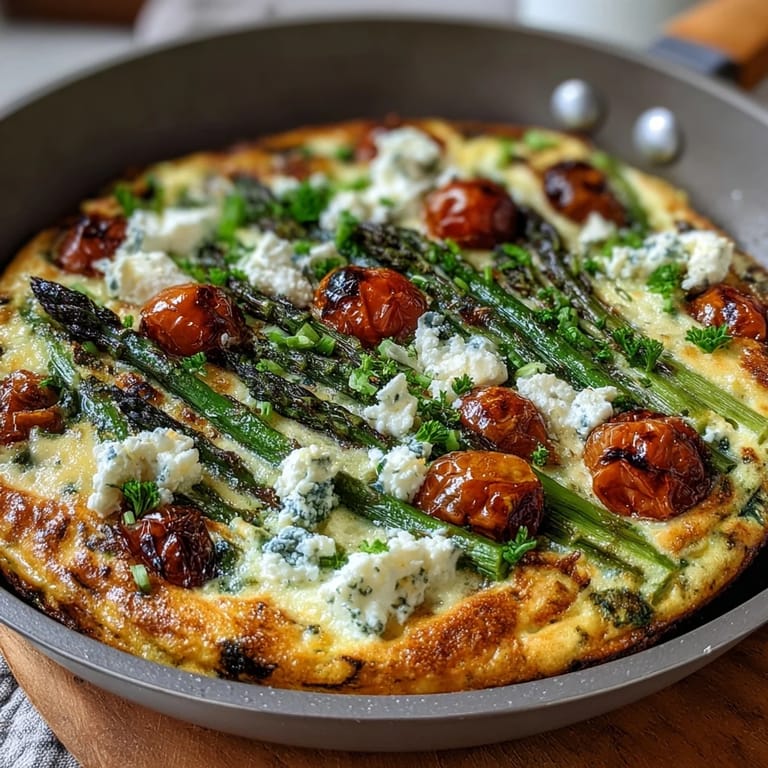
Save There's a quiet satisfaction in sliding a golden frittata onto a cutting board and watching someone's face when they realize you made something this good without a recipe in sight. It stopped being just breakfast for me the day my partner asked me to make it for his work potluck, and three people asked for the recipe while he stood there grinning.
Why This Works as Breakfast or Dinner
A frittata sits in that beautiful in-between space where it feels substantial enough for dinner but light enough for a late morning meal. The vegetables give it the appearance of vegetable-forward cooking, but the eggs and cheese make it genuinely satisfying, so you don't spend the afternoon hungry. I've served it warm, room temperature, and even cold from the fridge the next day, and it holds its charm every way.
Building Your Own Variations
Once you understand the basic structure, this frittata becomes a canvas for whatever your kitchen holds. I've swapped asparagus for peas, added artichoke hearts, thrown in roasted red peppers, and even used caramelized onions when I had them lingering. The ratio stays the same: about three cups of vegetables, eight eggs, a quarter cup of dairy, and whatever cheese speaks to you that day.
Serving and Storage Tips
Serve warm or at room temperature alongside a simple green salad or thick slices of crusty bread for a complete meal that feels effortless. Leftover frittata keeps beautifully in the fridge for up to three days, and a quick warm-up in a low oven brings back the softness without drying it further. It's also one of those rare dishes that tastes nearly as good cold, so it travels well to picnics or packed lunches.
- A squeeze of fresh lemon juice over the finished frittata brightens all the flavors at the last second.
- If you're feeding people with dairy allergies, swap the goat cheese and Parmesan for nutritional yeast or skip it entirely; the frittata still works beautifully.
- Make it ahead by prepping all the vegetables the night before, then assembling and baking fresh the next morning.
 Save
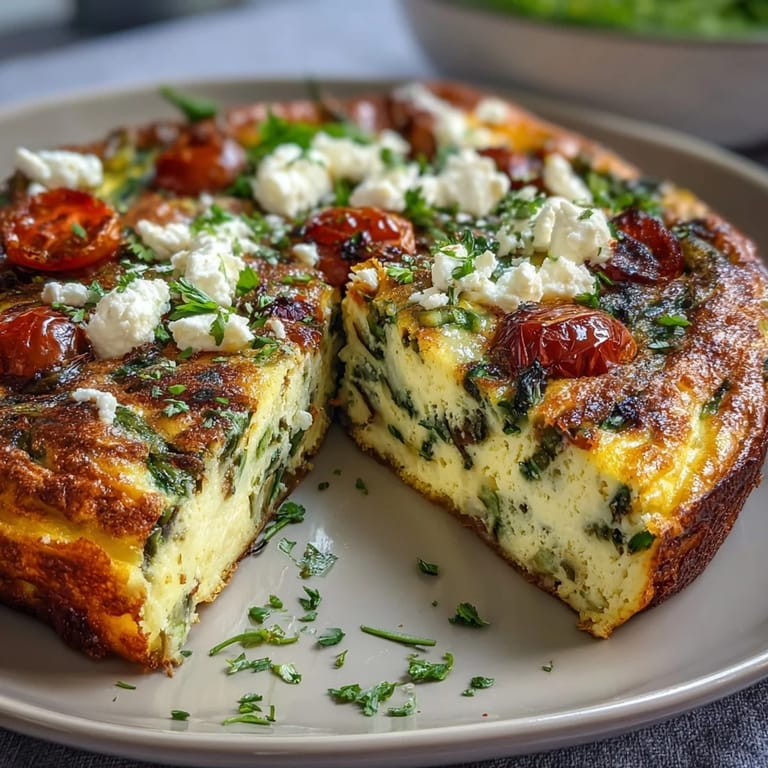
Save This frittata has become my answer to almost every cooking question because it's generous, forgiving, and always tastes like care. Make it once, and you'll find yourself reaching for it again and again.
Recipe FAQs
- → Can I substitute the goat cheese?
Yes, feta or queso fresco work well as creamy alternatives, adding a mild tang to the dish.
- → How do I know when the frittata is done?
The edges should be set and golden, and the center should be puffed and firm without wobbling when gently shaken.
- → What vegetables can I add instead of asparagus?
Peas, artichokes, or green beans are excellent spring vegetable options to swap in for asparagus.
- → Is it possible to make this dairy-free?
Omit goat and Parmesan cheese and use a plant-based milk to keep the texture creamy without dairy.
- → What type of pan works best for cooking this dish?
An oven-safe skillet around 10–12 inches ensures even cooking and easy transfer from stovetop to oven.