 Save
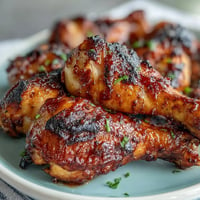
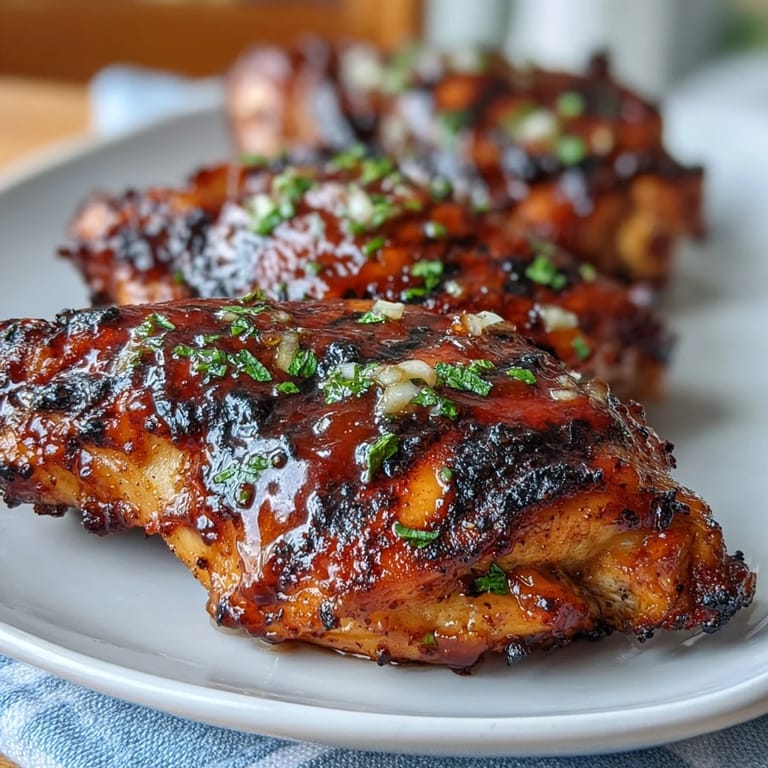
Save My neighbor Marcus showed up one July afternoon with a cooler full of chicken thighs and a challenge: make something memorable for his daughter's graduation party. I'd been experimenting with glazes that summer, and something about honey and garlic felt right for the heat of the grill. That first batch turned out golden and sticky, with the skin crackling under the char, and by the end of the night, people were asking for the recipe instead of congratulating the graduate.
I made this for a Tuesday night dinner when my daughter's friend was going through a rough patch, and watching her face light up when she bit into that sticky, charred skin was the moment I realized food does something special when it's cooked with intention. The conversation that night felt easier, softer somehow, like the chicken had softened something in all of us.
Ingredients
- 8 bone-in, skin-on chicken thighs (about 2 lbs / 900 g): Bone-in skin-on is everything here; the bones conduct heat evenly and the skin gets impossibly crispy when dry-patted before seasoning.
- 1 tsp salt: This ensures the chicken seasons throughout, not just on the surface.
- ½ tsp black pepper: Freshly ground pepper brings brightness that pre-ground cannot match.
- ⅓ cup (80 ml) honey: Use good honey if you can; it caramelizes deeper and tastes less one-dimensional than bargain brands.
- ¼ cup (60 ml) soy sauce: Low-sodium prevents the glaze from becoming overwhelmingly salty as it reduces.
- 4 cloves garlic, minced: Mince it yourself rather than using jarred; fresh garlic develops complexity on the grill that jarred cannot replicate.
- 2 tbsp olive oil: Helps the marinade coat the chicken evenly and adds richness to the glaze.
- 1 tbsp apple cider vinegar (or rice vinegar): The acid cuts through sweetness and keeps the glaze from feeling heavy.
- 1 tsp smoked paprika (optional): If you use it, you're adding a whisper of smokiness that echoes the grill's heat.
- ½ tsp crushed red pepper flakes (optional): Heat should arrive as a slow burn, not a slap in the face.
- 2 tbsp fresh parsley or cilantro, chopped: Bright herbs at the end cut through the richness and add visual contrast.
- Lemon wedges, for serving: A squeeze of lemon just before eating brings everything into focus.
Tired of Takeout? 🥡
Get 10 meals you can make faster than delivery arrives. Seriously.
One email. No spam. Unsubscribe anytime.
Instructions
- Prepare the chicken:
- Pat each thigh dry with paper towels until the skin feels almost papery to the touch; this dryness is what lets the skin render and crisp. Season both sides generously with salt and pepper, and let them sit uncovered for a few minutes so the seasoning can begin adhering to the meat.
- Build the marinade:
- Whisk honey, soy sauce, minced garlic, olive oil, vinegar, and any optional spices together in a bowl until the honey dissolves completely. Taste it straight and you should smell the garlic and feel the sweet-savory balance.
- Marinate the chicken:
- Place chicken thighs in a large zip-top bag or shallow dish and pour the marinade over them, making sure every piece is submerged or coated. Seal the bag or cover the dish and refrigerate for at least 30 minutes; if you have time, 2 to 4 hours is where the flavors really nestle into the meat.
- Heat your grill:
- Preheat to medium-high heat (around 400°F / 200°C) for about 10 minutes so the grates are hot enough to create a proper sear. Brush the grates lightly with oil so the skin won't stick and tear.
- Grill the chicken:
- Remove the thighs from the marinade, letting excess drip back into the bag, and place them skin side down on the grill. Listen for the sizzle; that's your signal the heat is right. Let them sit untouched for 6 to 7 minutes so the skin can render and brown deeply, then flip and grill the other side for another 6 to 7 minutes until the internal temperature reaches 175°F (80°C).
- Prepare the glaze:
- While the chicken cooks, pour the reserved marinade into a small saucepan and bring it to a boil over medium heat. Simmer for 3 to 4 minutes, stirring occasionally, until it thickens slightly and the raw garlic flavor mellows; this also ensures any bacteria from the raw chicken is killed.
- Final glaze and rest:
- In the last 2 to 3 minutes of grilling, brush the cooked marinade over the chicken with a basting brush, watching the glaze bubble and caramelize in the heat. Transfer the chicken to a platter and let it rest for 5 minutes so the juices redistribute throughout the meat.
- Finish and serve:
- Scatter fresh parsley or cilantro over the chicken and serve with lemon wedges so people can squeeze brightness over their portion. The resting period also gives you time to catch your breath before serving.
 Save
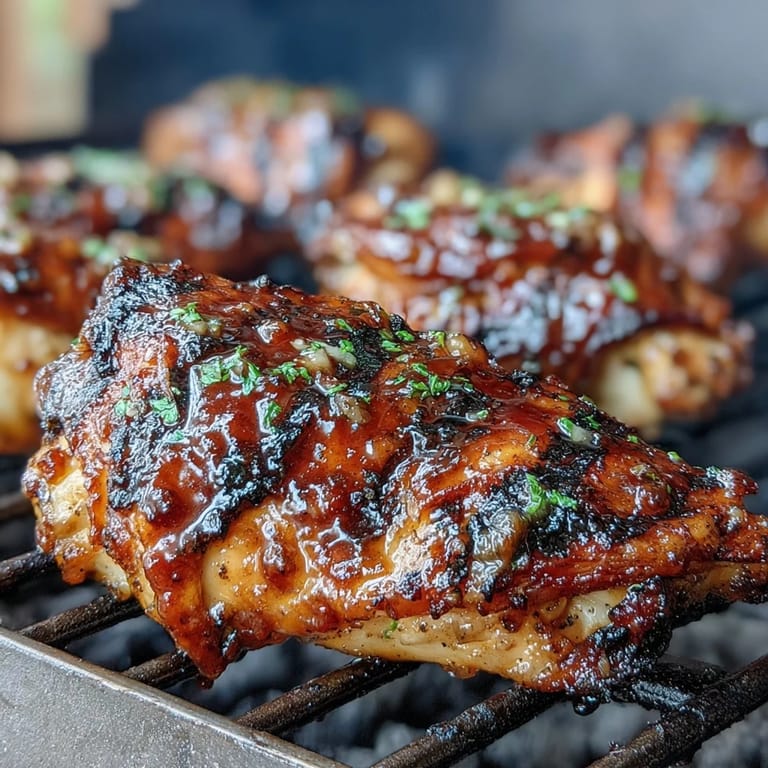
Save One evening my son came home from college unannounced, and I threw these on the grill without thinking twice because I knew they would deliver without fuss. He sat on the back steps eating two thighs straight, bones and all, barely speaking except to say the skin was perfect, and that was enough.
The Magic of Bone-In Thighs
Chicken thighs have a higher fat content than breasts, which means they stay moist even if you accidentally leave them on the grill a few minutes too long. The bone conducts heat toward the center of the meat, ensuring even cooking, while the skin—if properly dried and seasoned—becomes a textural revelation. Once you've felt that contrast between the crispy exterior and juicy interior, chicken breasts start feeling like a compromise.
The Glaze Window
The timing of when you brush the glaze matters more than most people realize. Too early and it burns into an acrid crust; too late and it never has time to caramelize and stick to the meat. I learned to wait until the chicken has solid color and the skin looks like it's already done, then give it those final 2 to 3 minutes with the glaze so it bubbles and sets without charring into bitterness. The reserved boiled marinade also tastes noticeably better than raw marinade would, deeper and more refined.
Beyond the Grill
While this recipe is written for a grill, the same marinade and technique work beautifully in a cast-iron skillet over medium-high heat on the stovetop if weather won't cooperate. The skin won't get quite the same crackling effect, but the glaze becomes even more caramelized and clingy in the pan's confined heat. I've also made this under a hot broiler as a backup plan, though you'll need to keep a close eye on it to prevent burning.
- A meat thermometer removes all guesswork: 175°F (80°C) is the target for perfectly cooked thighs that are still juicy.
- Let the chicken rest before eating: Those 5 minutes are when carryover cooking finishes and juices settle back into the meat instead of running onto the plate.
- Lemon wedges are not decoration: A squeeze of lemon right before eating brightens the sweetness and makes the whole dish sing.
 Save
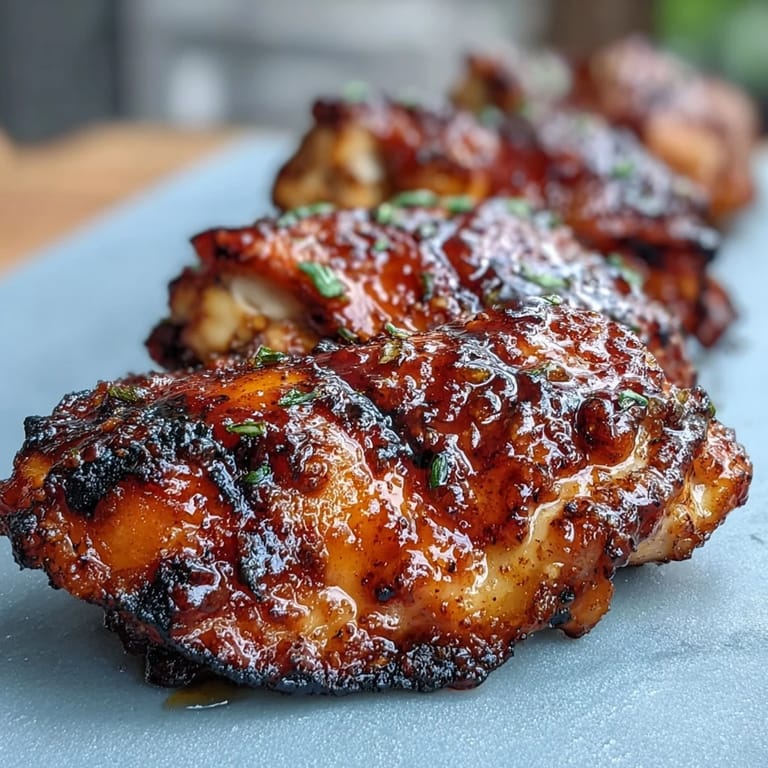
Save This dish has become the thing I make when I want to cook something that feels both effortless and impressive, when I want people to remember the meal not because it was complicated, but because it was exactly right. That's the whole point, really.
Recipe FAQs
- → How long should I marinate the chicken for best flavor?
A minimum of 30 minutes allows the flavors to develop, but marinating up to 4 hours intensifies the taste and tenderness.
- → Can I use boneless chicken thighs for this dish?
Yes, boneless thighs work well but reduce grilling time to 4–5 minutes per side to avoid overcooking.
- → Should I baste the chicken during grilling?
Brushing the cooked marinade over the chicken in the last few minutes creates a sticky, flavorful glaze perfect for this dish.
- → What grilling temperature is recommended?
Preheat the grill to medium-high heat, around 400°F (200°C), for even cooking and a nice char.
- → How can I tell when the chicken is fully cooked?
The internal temperature should reach 175°F (80°C) for juicy, safe-to-eat chicken thighs.
- → What sides complement this grilled chicken?
Grilled vegetables or a fresh summer salad pair wonderfully, along with chilled rosé or lager for beverages.