 Save
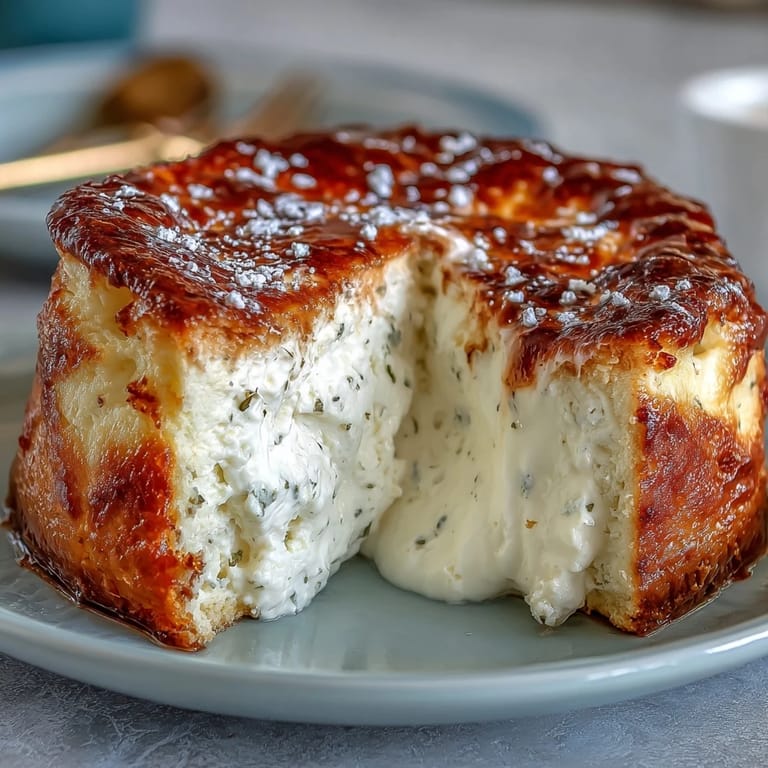
Save My neighbor Maria once brought over her Easter ricotta pie, and the kitchen filled with this bright, almost ethereal lemon scent that made me pause mid-conversation. She explained it was her nonna's recipe, passed down through generations, and watching her pull it from the oven with such quiet confidence made me understand that some desserts carry stories heavier than their ingredients. That day, I decided I had to learn it, not just to replicate the flavors, but to understand what made it feel like spring itself in a pie.
I made this pie for the first time on a rainy April afternoon, when three different people texted asking if I wanted to do something, and I just ignored them all because I was completely absorbed in folding lemon zest into ricotta. By the time it came out of the oven, golden and barely trembling in the center, my entire apartment smelled like a Sicilian bakery, and suddenly those three texts didn't matter anymore.
Ingredients
- All-purpose flour: Use a lighter hand when measuring and always spoon it into the cup rather than scooping directly from the bag, or your pastry will turn tough and you'll wonder why everything went wrong.
- Cold unsalted butter: This is non-negotiable because it creates those tiny pockets that make the crust flaky, so keep it in the freezer until the moment you need it.
- Ricotta cheese: Drain it well in cheesecloth for at least an hour beforehand, otherwise your filling will be watery and the whole pie suffers.
- Lemon zest: Microplane it fresh right before mixing the filling so you capture all those oils that make this dessert sing.
- Heavy cream: This keeps the filling silky without adding too much liquid, a secret that took me three failed attempts to understand.
- Eggs: Bring them to room temperature before whisking so they incorporate smoothly and give the filling its proper structure.
Tired of Takeout? 🥡
Get 10 meals you can make faster than delivery arrives. Seriously.
One email. No spam. Unsubscribe anytime.
Instructions
- Build your pastry foundation:
- Combine flour, sugar, and salt in a large bowl, then add cold butter cubes and use your fingertips to rub everything together until it looks like coarse breadcrumbs with some pea-sized pieces still visible. This texture is your first clue that the crust will turn out flaky.
- Bring the dough together:
- Mix in the egg, egg yolk, and vanilla, then add cold water one tablespoon at a time while stirring gently until the dough just comes together. You'll know it's ready when you can squeeze it and it holds its shape without crumbling.
- Chill and rest:
- Shape the dough into a flat disk, wrap it tightly in plastic wrap, and let it rest in the refrigerator for at least 30 minutes, or even overnight if you're not in a hurry. This resting period makes rolling it out so much easier and prevents shrinkage later.
- Prepare your pan:
- Preheat the oven to 350°F and grease your 9-inch pie or tart pan generously. On a lightly floured surface, roll out the dough to about an eighth of an inch thick and gently fit it into the pan, letting it settle naturally into the corners.
- Blind bake prep:
- Prick the bottom all over with a fork to prevent puffing, then chill the crust for 10 minutes while you make the filling. This little trick saves you from a soggy bottom layer.
- Create the ricotta magic:
- In a large bowl, whisk together drained ricotta, sugar, eggs, vanilla, fresh lemon zest, lemon juice, flour, salt, and heavy cream until completely smooth and no lumps remain. The key is whisking until the mixture is silky, not grainy, which takes longer than you'd think but makes all the difference.
- Pour and smooth:
- Transfer the filling into your pastry shell and use the back of a spatula to level the top gently. You want it smooth but not overworked.
- Bake until golden:
- Bake for 55 to 60 minutes, watching for a light golden color on top and a slight wobble in the very center. The filling continues cooking as it cools, so don't overbake it or it becomes grainy instead of creamy.
- Cool completely:
- Let the pie cool on a wire rack at room temperature for several hours, then refrigerate for at least 2 hours before slicing. This resting period lets everything set properly and makes each slice look beautiful.
- Finish and serve:
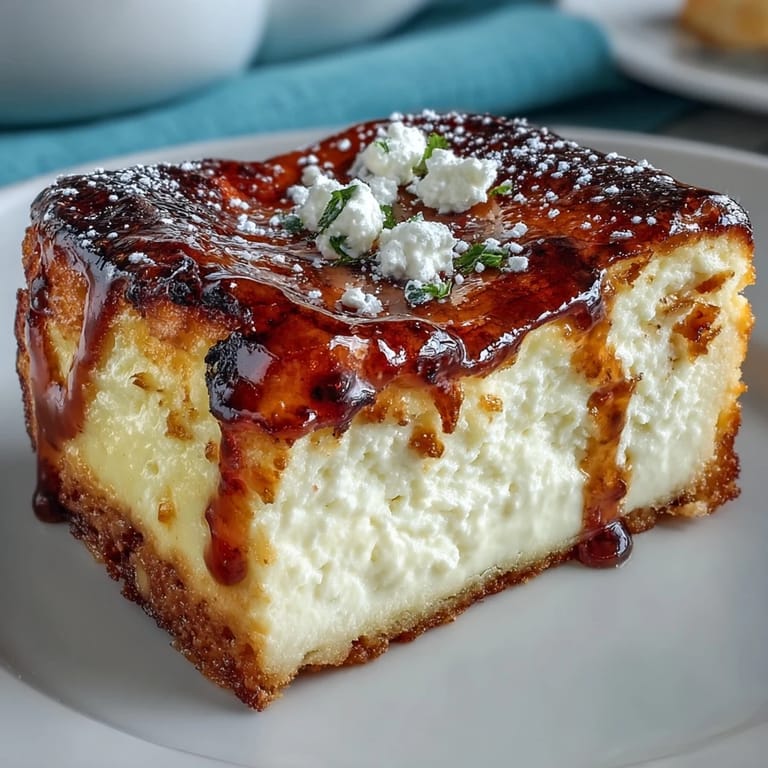
- Just before serving, dust the top generously with powdered sugar and slice with a sharp knife dipped in hot water for clean cuts.
 Save
Save My friend David took one bite of this pie at a dinner party and went completely silent, which doesn't happen very often, and then he asked if I'd marry him just so he could eat this forever. It became our inside joke, but it also made me realize that food made with attention and care creates these small, ridiculous moments of connection that people actually remember.
Why This Dessert Works for Spring
There's something about bright lemon and creamy ricotta that feels like the season itself, the way fresh berries start appearing at the market and everything suddenly tastes alive again. This pie bridges that moment between winter heaviness and summer lightness, sitting right in the middle where Easter celebrations tend to happen. Every bite reminds you why people get excited about spring.
The Pastry Crust Matters More Than You Think
I once made this pie with room-temperature butter because I was impatient, and the crust came out dense and disappointing, nothing like what I remembered from Maria's kitchen. After that failure, I learned that cold butter isn't just a suggestion, it's actually doing the chemical work that creates flakiness, and respecting that difference changed everything about my baking. The texture of your crust either makes or breaks the entire experience.
Making This Pie Your Own
The base recipe is traditional, but I've learned that this dessert is forgiving enough to welcome your own touches without losing its essential character. You can add orange zest for brightness, scatter fresh berries on top just before serving, or even dust it with a tiny pinch of cinnamon if you're feeling adventurous. The ricotta filling is the heart, and as long as you respect that, you have room to play.
- If you're short on time, buy a quality frozen pie crust and use that instead of making pastry from scratch.
- The pie actually tastes better the second day after the flavors have settled and deepened slightly.
- Leftovers keep refrigerated for three days, though honestly there rarely are any.
 Save
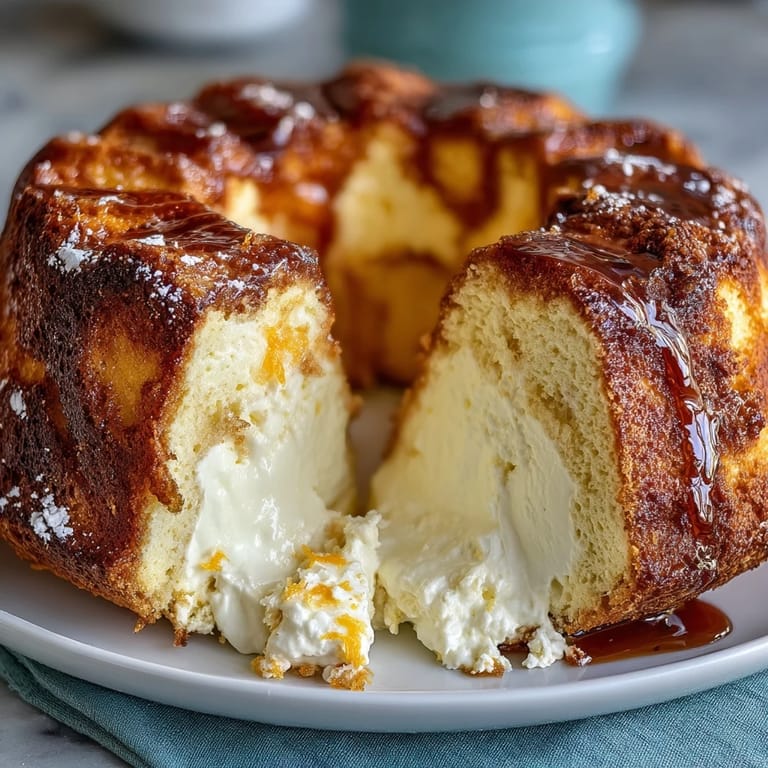
Save This pie tastes like springtime in every bite, like someone bottled the smell of lemon trees and Easter celebrations and somehow turned it into dessert. Make it once and you'll understand why my neighbor Maria guards this recipe like a secret treasure.
Recipe FAQs
- → How do I achieve a tender pastry crust?
Use cold butter and incorporate it quickly into the flour until crumbly. Chilling the dough before rolling helps maintain flakiness.
- → What is the purpose of lemon zest in the filling?
Lemon zest adds a bright, fresh citrus aroma that balances the creamy richness of the ricotta.
- → How can I tell when the filling is perfectly baked?
The filling should be mostly set with a slight wobble in the center, indicating it’s fully cooked but still creamy.
- → Can I prepare this pie ahead of time?
Yes, chilling the pie for at least two hours after baking enhances texture and flavor before serving.
- → Are there alternatives for the crust for dietary needs?
Gluten-free flour can replace all-purpose flour in the crust for gluten-sensitive diets, keeping similar texture.