 Save
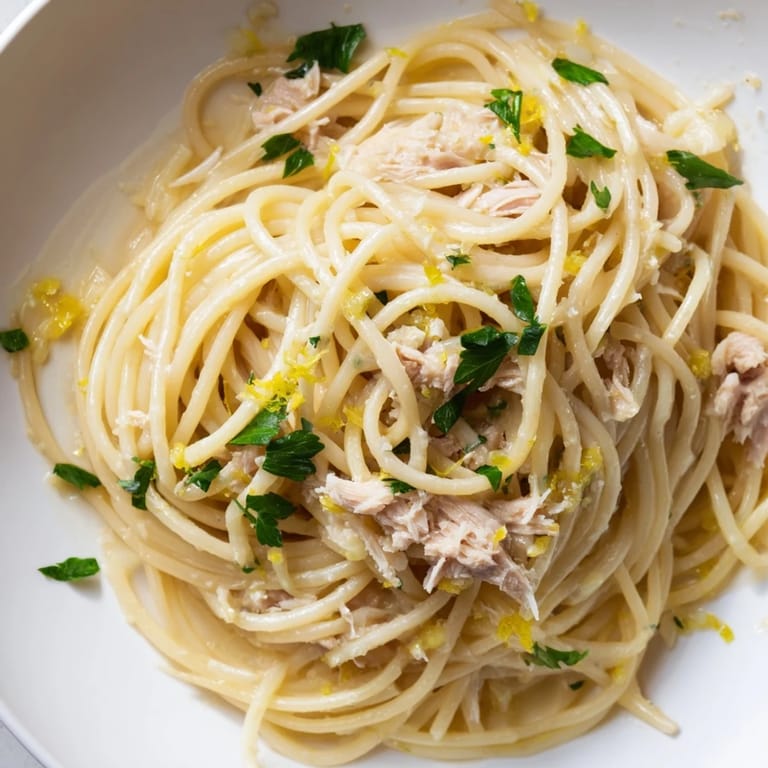
Save There's a particular magic to the moment when garlic hits hot oil—that sudden, unmistakable fragrance that fills the kitchen and makes you pause mid-thought. I discovered this dish on a Tuesday night when I had almost nothing in the pantry except a couple of tuna cans, a lemon I'd forgotten about, and a box of spaghetti. What emerged was so bright and satisfying that it became my go-to when time is short but the craving for something genuinely delicious won't wait.
I made this for my neighbor one evening after she mentioned feeling tired of takeout. Watching her face light up at that first twirl of fork—the brightness of lemon, the warmth of garlic, the flakes of tender fish—reminded me that the best meals aren't always the most complicated ones. She's made it dozens of times since, and now it's her weeknight salvation too.
Ingredients
- Dried spaghetti (400 g): This is your foundation—look for bronze-cut pasta if you can find it, as it grabs the sauce better than the smooth kind.
- Olive oil (2 tbsp): This isn't background noise; it's where the garlic blooms and becomes golden and fragrant, so choose something you actually like tasting.
- Garlic cloves (3, finely sliced): Slicing rather than mincing releases the garlic more gently into the oil, giving you that subtle perfume instead of aggressive harshness.
- Lemon (zested and juiced): Both the zest and juice matter—the zest carries oils that perfume the whole dish while the juice adds brightness without bitterness.
- Tuna in olive oil (2 cans, 160 g each, drained and flaked): The oil it comes in is liquid gold, so save a tablespoon of it to enrich the sauce if things feel too austere.
- Crushed red pepper flakes (1/2 tsp, optional): A whisper of heat here cuts through the richness and keeps things from feeling too heavy.
- Fresh flat-leaf parsley (1/4 cup, chopped): Add it at the end so it stays vibrant and doesn't cook into dusty green nothingness.
- Pasta cooking water (1/4 cup reserved): This starchy liquid is what binds everything together—never skip reserving it.
- Salt and freshly ground black pepper, to taste: Taste as you go; this dish needs proper seasoning to sing.
Tired of Takeout? 🥡
Get 10 meals you can make faster than delivery arrives. Seriously.
One email. No spam. Unsubscribe anytime.
Instructions
- Boil the pasta:
- Fill a large pot with plenty of salted water and bring it to a rolling boil. The salt should taste like the sea—your pasta won't soften without it. Cook the spaghetti until al dente, and before draining, scoop out a measuring cup of that precious starchy water.
- Awaken the garlic:
- Heat olive oil in a large skillet over medium heat until it shimmers slightly. Add your thinly sliced garlic and let it toast gently for 1 to 2 minutes, watching it turn pale gold and fragrant; the moment it begins to color, you've gone too far.
- Welcome the tuna:
- Add the drained and flaked tuna to the garlic-scented oil, stirring gently so the flakes stay tender and don't break into tiny pieces. Scatter the lemon zest over everything and squeeze in the lemon juice, then add the red pepper flakes if you want a whisper of heat.
- Bring it together:
- Add the hot spaghetti directly to the skillet with the tuna mixture and begin tossing everything together. Pour in the reserved pasta water a splash at a time, stirring gently, until the sauce coats every strand without making things soupy.
- Finish with green:
- Stir in the chopped parsley, then taste and adjust the salt and pepper. The dish should taste bright and balanced, not aggressively salty or sour.
 Save
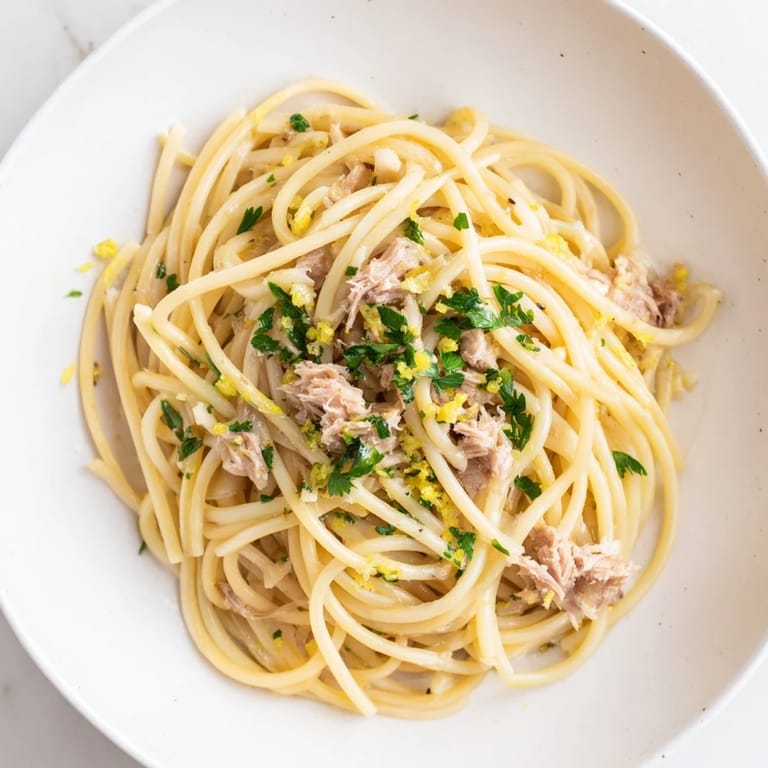
Save There was an afternoon when my young nephew helped me make this, standing on a step stool to peer into the skillet. He became utterly transfixed by the transformation—watching separate ingredients become something cohesive and delicious. Ever since, he requests "the lemon fish pasta," and honestly, those moments matter more than any review ever could.
Why High-Quality Tuna Matters
The tuna you choose determines everything about this dish. Cheap, watery tuna in brine will taste metallic and sad, but tuna packed in good olive oil brings a richness and depth that feels almost luxurious. It's worth spending a few extra dollars here because you're only buying two cans and the difference is genuinely remarkable. The fish becomes something you actually want to eat rather than something you tolerate.
The Magic of Lemon in Seafood
Lemon and fish are soulmates—the acid brightens the fish, cuts through any richness, and prevents the dish from tasting heavy or one-dimensional. The zest adds a floral, almost perfumy dimension that juice alone can't provide, while the juice itself brings direct, punchy brightness. I've learned to always use both rather than choosing one or the other.
Weeknight Dinner Confidence
What I love most about this recipe is that it works when you're tired, when your fridge is half-empty, and when you need dinner to happen without drama or fuss. It never disappointed me, even on nights when I was honestly just going through the motions. The technique is foolproof, the timing is manageable, and the result always feels a little bit special.
- Keep several cans of quality tuna on hand so you're never more than 25 minutes away from a genuine dinner.
- If you don't have fresh parsley, skip it rather than using dried; the fresh brightness is essential to the whole experience.
- Serve this with a crisp white wine and something simple like a green salad, and you've got an actual meal, not just pasta.
 Save
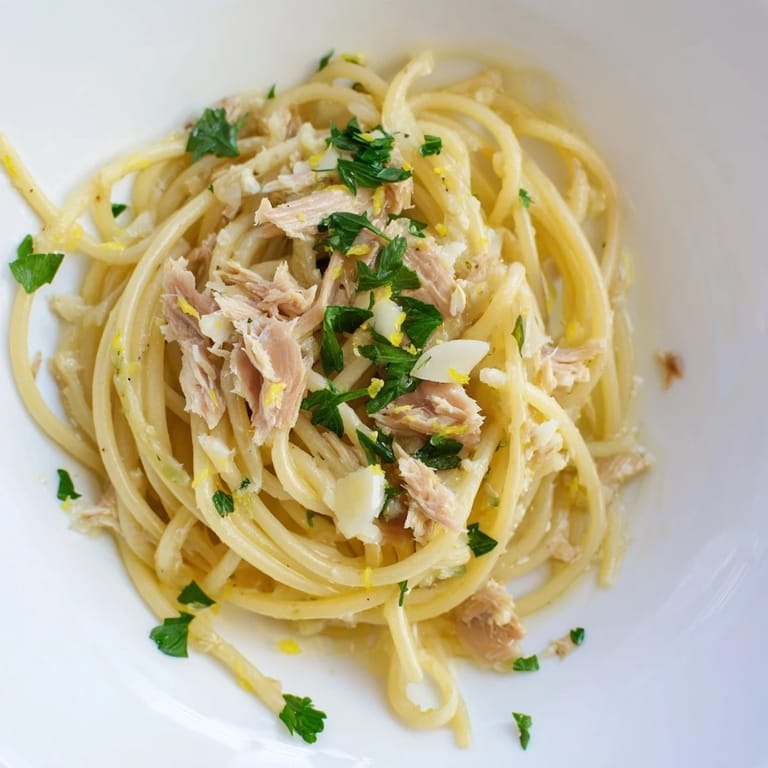
Save This dish has become my reliable friend, the one I turn to when I want to cook something genuine without spending hours in the kitchen. It reminds me that wonderful food doesn't require complexity, just attention and a few ingredients you actually care about.