 Save
Save My neighbor brought a container of black-eyed pea hummus to a potluck last spring, and I watched it disappear faster than everything else on the table. When I asked for her secret, she laughed and said it was just tahini and patience. That conversation stuck with me through the summer, and one lazy afternoon in my kitchen, I decided to recreate it from memory—adding my own squeeze of lemon and a whisper of cumin. The result was so creamy and alive that I've been making batches ever since, sometimes for myself at lunch, sometimes to share with friends who suddenly understand why that potluck hummus was unforgettable.
I made this for a small dinner party where one guest mentioned being vegan, and instead of panicking about appetizers, I simply whipped up a batch of this hummus with some fresh veggies and pita. By the end of the night, she pulled me aside and asked if I'd consider making it again for her book club—that's when I realized this recipe had quietly become something special, something that works for everyone at the table.
Ingredients
- Black-eyed peas (2 cups cooked or canned): These little beans have an earthy sweetness that balances the tahini's richness, and they're forgiving whether you cook them fresh or grab a can from the pantry.
- Tahini (1/3 cup): This sesame paste is what makes the hummus luxuriously creamy—buy a good quality jar and give it a stir before using since the oil separates.
- Extra virgin olive oil (2 tbsp, plus more for drizzling): Use the fruity, peppery kind you actually enjoy tasting, because it's front and center here.
- Fresh lemon juice (2 tbsp): Squeeze it fresh if you can—bottled juice tastes sharp and one-dimensional compared to the brightness of real lemons.
- Garlic (1 clove, minced): One clove is gentle; if you love garlic, mince it fine so it distributes evenly without overwhelming the spread.
- Ground cumin (1/2 tsp): This warm spice ties everything together and gives the hummus its subtle, earthy depth.
- Salt (1/2 tsp): Start here and taste as you go—you might want more depending on whether your black-eyed peas were already seasoned.
- Water (2-4 tbsp): Add this gradually to reach your preferred consistency; some days you'll want it thick enough to spread, other days more dippable.
- Paprika or sumac (1/2 tsp for garnish): Either one adds a gentle color and flavor note that makes the bowl look intentional.
- Fresh parsley (2 tbsp chopped): This brings a final pop of green and a clean, grassy note that rounds out all the richness.
Tired of Takeout? 🥡
Get 10 meals you can make faster than delivery arrives. Seriously.
One email. No spam. Unsubscribe anytime.
Instructions
- Gather and prep:
- Drain and rinse your black-eyed peas if using canned, mincing your garlic while you're at it so everything's ready when you turn on the processor.
- Build the base:
- Combine the peas, tahini, olive oil, lemon juice, garlic, cumin, and salt in your food processor and let it run until the mixture looks smooth and pale. Scrape down the sides once or twice as it blends.
- Adjust the texture:
- Add water one tablespoon at a time, pulsing between additions, until you reach that sweet spot—creamy enough to scoop but thick enough to hold a shape. This step is about your preference, so taste and feel as you go.
- Season to your taste:
- Give it a taste and adjust with more salt or lemon juice if needed; sometimes a tiny pinch of cumin can brighten things up too.
- Transfer and garnish:
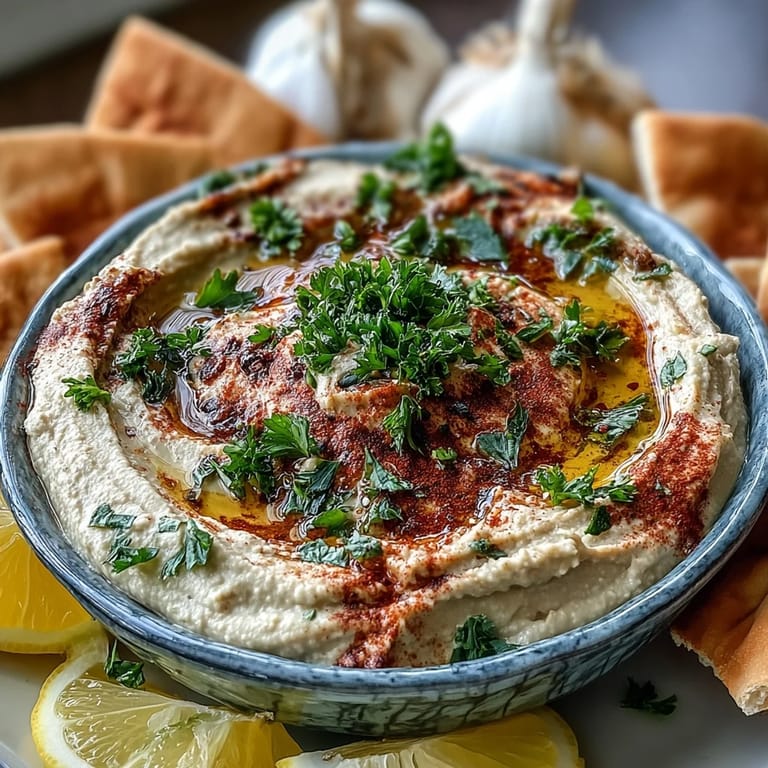
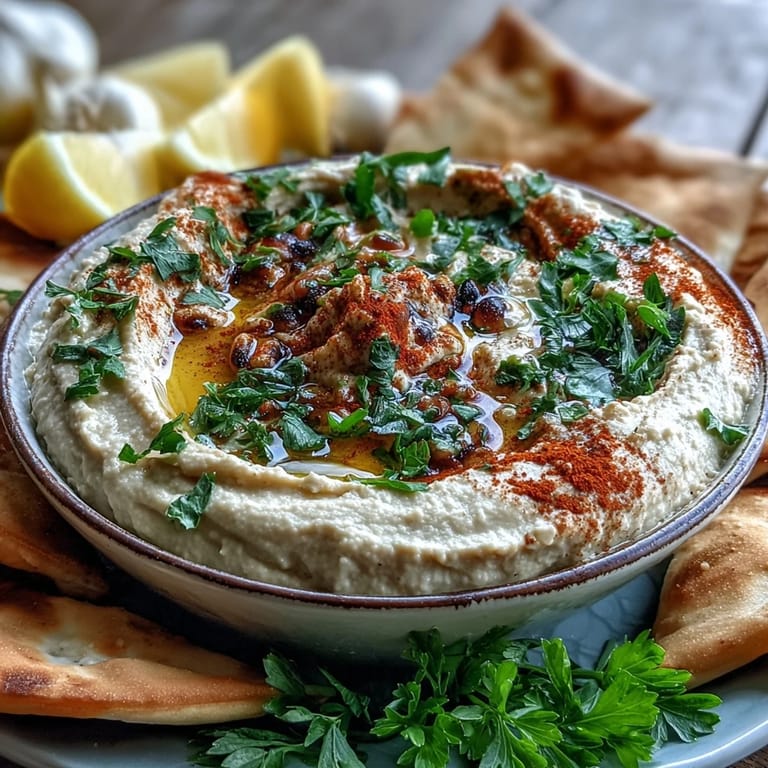
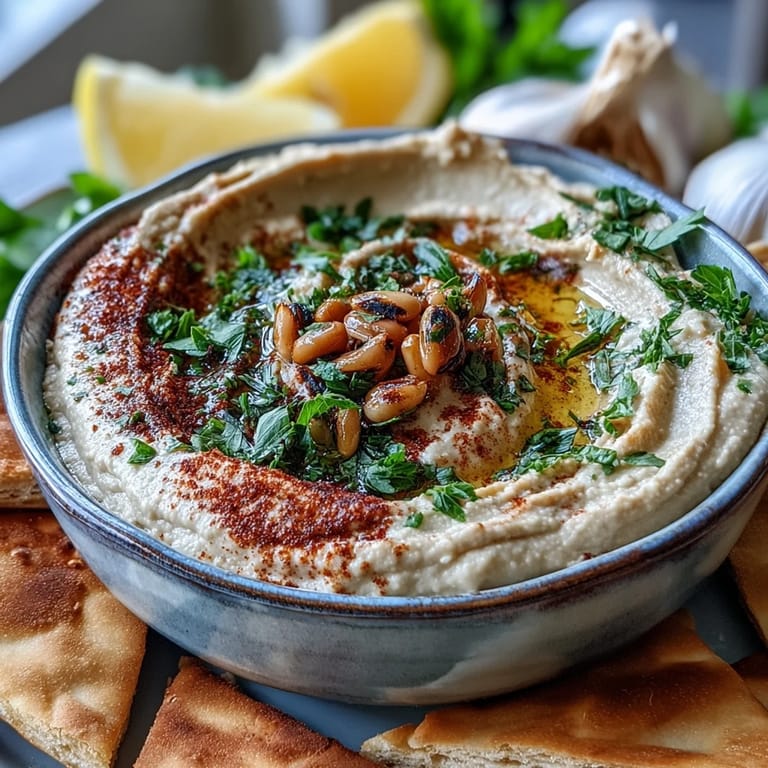
- Scoop the hummus into a serving bowl, creating a shallow well in the center with the back of a spoon, then drizzle olive oil into that well and sprinkle with paprika and parsley.
- Serve:
- Surround with fresh vegetables, warm pita bread, or crackers, or simply use it as a sandwich spread whenever the mood strikes.
 Save
Save There's a quiet moment that happens when you finish blending and take that first spoonful, when you realize you've created something that tastes like it came from a careful hand, not just a recipe. That feeling of making something nourishing for yourself and others—that's when this humble spread becomes more than appetizer filler; it becomes proof that simple ingredients, when treated with intention, can be extraordinary.
Why Black-Eyed Peas Are Worth Your Time
Black-eyed peas have a softer, slightly earthier texture than chickpeas, which means they blend into a hummus that feels almost velvety rather than grainy. I used to default to regular hummus out of habit, but switching to black-eyed peas taught me that the right legume makes all the difference—the flavor is less sweet, more savory, and it plays beautifully with the tahini without fighting for attention. Once you taste this version, you'll understand why I keep coming back to it.
Customizing Your Hummus to Your Mood
One morning I was out of cumin and used a tiny pinch of smoked paprika instead, which gave the whole batch a warm, almost smoky depth that surprised me. Another time, a friend suggested lime juice instead of lemon, and suddenly it tasted bright and summery in a completely different way. The beauty of this recipe is that it's confident enough in its foundation that you can play with the spice additions without worrying you'll break it—experiment and trust your instincts.
Storage and Making Ahead
I discovered that this hummus actually improves over a day or two in the refrigerator, as if the flavors have time to get to know each other. Keep it in an airtight container and it'll stay fresh for up to four days, making it perfect for meal prep or for having something ready whenever unexpected guests arrive. A small tip: if it's been sitting for a day or two and seems a bit thick, just stir in a splash of water or a drizzle of olive oil to bring back that silky texture.
- Transfer cooled hummus to a glass container with a tight-fitting lid for maximum freshness.
- Always give it a gentle stir and taste before serving, as flavors settle and sometimes benefit from a brightness adjustment.
- If you're taking it to a gathering, pack it in an insulated container with a small bowl of olive oil on the side so people can customize their drizzle.
 Save
Save This hummus has become my go-to when I want to feed people something real and delicious without fussing—it's proof that the best recipes are often the simplest ones. Make it once and you'll find yourself making it again and again, each batch a small act of care.
Recipe FAQs
- → What makes black-eyed pea hummus different from traditional chickpea hummus?
Black-eyed peas have a creamier texture and slightly sweeter flavor profile compared to chickpeas. They create an exceptionally smooth dip while providing similar protein content. The earthiness pairs beautifully with tahini's nutty notes.
- → Can I use dried black-eyed peas instead of canned?
Absolutely. Cook one cup of dried peas until tender, then drain well before blending. Freshly cooked peas often yield an even creamier result. Just ensure they're completely cooled before processing.
- → How long does this keep in the refrigerator?
Store in an airtight container for up to four days. The flavors actually develop and meld over time. Give it a good stir before serving, as the olive oil may separate slightly. Add a splash of water if it thickens.
- → What can I serve with this spread?
Fresh vegetables like carrots, cucumber, bell peppers, and celery are classic choices. Warm pita bread, crackers, or flatbreads work wonderfully. It's also excellent in wraps, on sandwiches, or as a base for grain bowls.
- → Is this freezer-friendly?
Yes, freeze for up to three months. Portion into freezer-safe containers leaving some space for expansion. Thaw overnight in the refrigerator and stir well before serving. You may need to add a touch of water to restore creaminess.
- → How can I make it spicy?
Add minced jalapeño or serrano peppers during blending. Alternatively, stir in harissa paste, cayenne pepper, or red pepper flakes to taste. A pinch of smoked paprika also adds subtle heat along with depth.