 Save
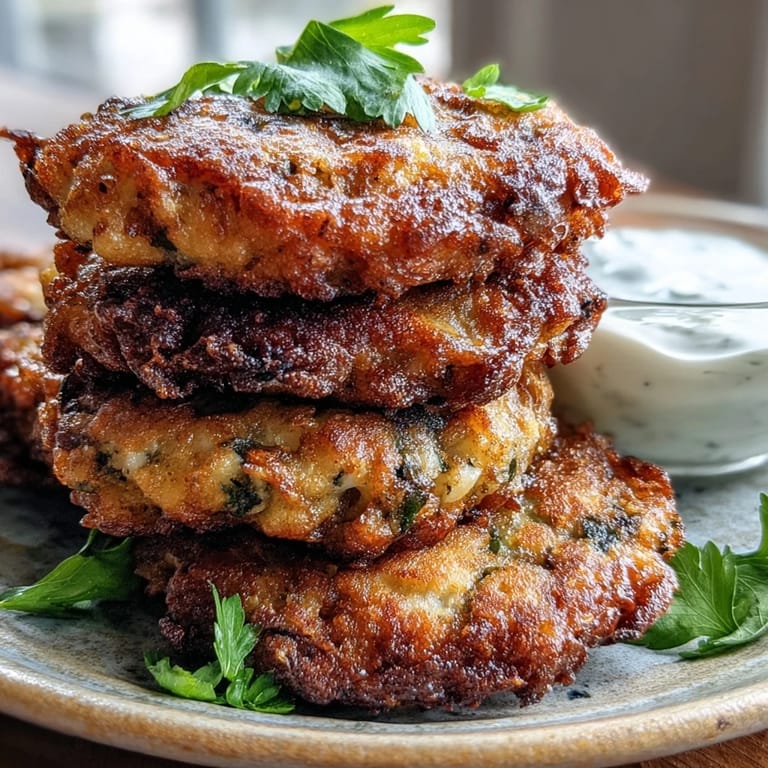
Save There's something about standing at a kitchen counter with a bowl of black-eyed peas that brings back an afternoon at my neighbor's house, watching her grandmother move through the kitchen with such ease and confidence. She didn't measure anything, just knew when the batter felt right between her fingers, when the oil was ready by listening to its gentle sizzle. I left that day with a borrowed recipe scribbled on the back of an envelope and a determination to capture that magic in my own kitchen. These fritters became my way of honoring that moment, golden and crispy and unmistakably good.
I made these for a potluck once and watched them disappear faster than anything else on the table, which was both flattering and humbling since I'd almost talked myself out of bringing them. A colleague came back for thirds and asked what was in them, genuinely surprised when I said mostly just black-eyed peas and onions. That's when I realized how often we underestimate simple ingredients and the magic that happens when you treat them with intention.
Ingredients
- Black-eyed peas: Use canned and drained, or cook dried peas ahead of time, which honestly tastes more authentic and gives you better control over the texture.
- Onion and garlic: These aromatics are where the flavor lives, so don't skip the mincing step even though it feels tedious.
- Fresh parsley or cilantro: Optional but worth adding for a brightness that makes people ask what that fresh note is.
- Eggs and flour: The eggs bind everything together while flour gives structure, so both matter equally for fritters that hold their shape.
- Salt, black pepper, and smoked paprika: Build flavor in layers, and the paprika adds a subtle smokiness that feels more complex than it has any right to.
- Cayenne pepper: A quarter teaspoon is gentle, but double it if you like heat that announces itself.
- Vegetable oil: Use something neutral that won't smoke at medium heat, and don't be shy about how much you use for proper frying.
Tired of Takeout? 🥡
Get 10 meals you can make faster than delivery arrives. Seriously.
One email. No spam. Unsubscribe anytime.
Instructions
- Mash your foundation:
- Pour the drained black-eyed peas into a large bowl and work them with a fork or potato masher until mostly smooth with just a bit of texture remaining. You want them broken down enough to hold together but rustic enough to remind you they're legumes, not mush.
- Build the batter:
- Add the chopped onion, garlic, herbs, eggs, flour, and all your seasonings to the mashed peas and stir until everything is evenly distributed and you have a thick, cohesive batter. It should hold together when you scoop it but not feel dense or gluey.
- Heat your oil carefully:
- Pour about half an inch of vegetable oil into a large skillet and set it over medium heat, waiting a full minute or two until it shimmers and moves easily when you tilt the pan. Test the temperature with a tiny piece of batter; it should sizzle immediately and float to the surface.
- Fry with patience:
- Using a spoon or small ice cream scoop, carefully drop heaping spoonfuls of batter into the hot oil and gently flatten each one with the back of the spoon. Work in batches so the pan doesn't get crowded, which would drop the oil temperature and make them absorb grease instead of crisping.
- Achieve golden perfection:
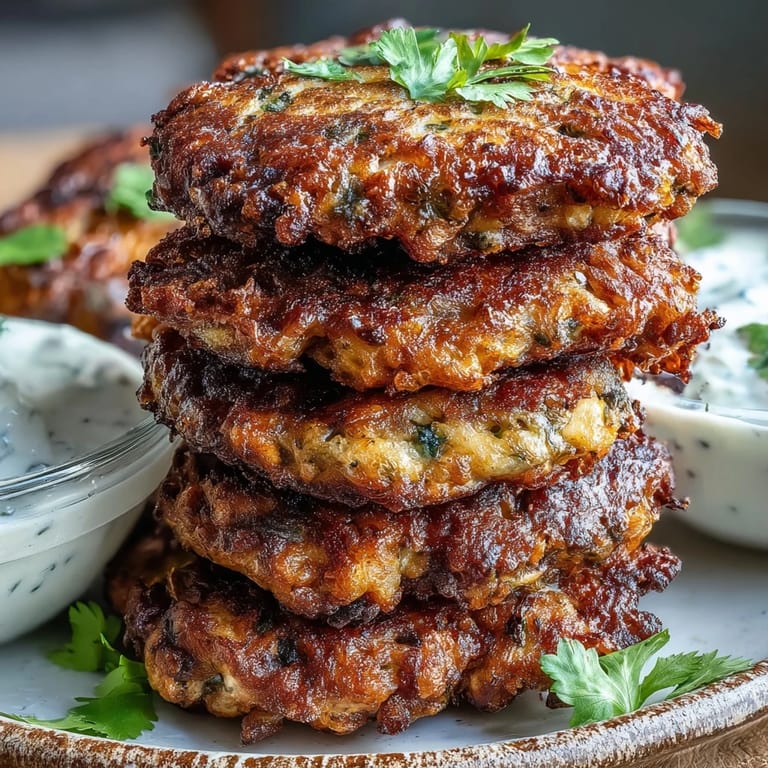
- Let each fritter cook for about 2 to 3 minutes on the first side until the edges turn golden and the bottom sounds crispy when you tap it, then flip and cook the other side just as long. You're looking for a deep golden brown that catches the light, not something pale or dark.
- Drain and rest:
- Transfer the finished fritters to a paper towel-lined plate where they'll continue to crisp as they cool slightly. Repeat with the remaining batter until everything is cooked.
 Save
Save There was an evening when my partner came home from a long day and I'd made a fresh batch of these, and the look on their face when they bit into one was everything. It wasn't fancy or complicated, but it was warm and thoughtful and somehow said more than words could. That's when I understood why recipes matter beyond just feeding people, they're a language we speak with our hands.
The Texture Secret
The most underrated part of these fritters is getting the mashing right, and I used to over-mash everything until a friend pointed out that some whole peas actually help them hold together better. Now I leave maybe a quarter of them slightly chunky, which creates this wonderful contrast between smooth and slightly toothy, and somehow that small detail changes everything about how they taste.
Dipping Sauce Discoveries
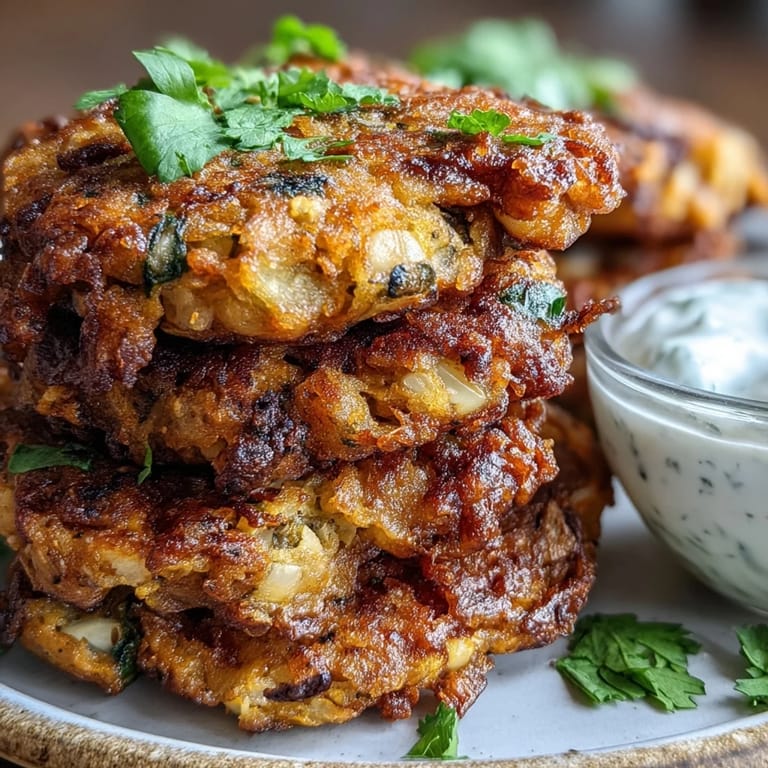
I've served these with everything from plain Greek yogurt mixed with fresh dill to a quick mango chutney, and each pairing tells a different story. The yogurt plays it cool and sophisticated, letting the fritter's seasoning shine, while chutney adds a sweet-spicy complexity that feels almost festive. Hot sauce is the classic for a reason, but once you try them with a tahini drizzle, you might never go back.
Making Them Work for Your Schedule
You can make the batter ahead and refrigerate it for up to a day, which is honestly the best kept secret for entertaining because it takes the pressure off day-of cooking. The fritters themselves are best eaten fresh and warm, but they're completely edible at room temperature or even cold straight from the fridge the next morning if you need a sneaky breakfast. Here's what actually makes a difference with timing and storage:
- Prepare the batter up to 24 hours ahead and store it covered in the refrigerator so the flavors meld even deeper.
- Fry them within a few hours of eating for maximum crispness, though they'll keep in an airtight container for a couple of days.
- Reheat leftovers in a 350-degree oven for about 5 minutes if you want to restore some of that original crispness.
 Save
Save These fritters are proof that the best food doesn't need to be complicated, just made with attention and a willingness to let simple ingredients show you what they can do. Serve them warm with whatever sauce speaks to you, and watch how quickly they disappear.
Recipe FAQs
- → Can I use canned black-eyed peas instead of cooked?
Yes, canned black-eyed peas work well. Rinse and drain them thoroughly before mashing. You may need to reduce the flour slightly since canned peas tend to be softer than freshly cooked ones.
- → How do I keep fritters warm while frying batches?
Place cooked fritters on a baking sheet in a 200°F oven. This keeps them warm and crispy while you finish frying the remaining batter. Avoid stacking them as they can become soggy.
- → What dipping sauces work best?
These fritters pair wonderfully with yogurt-based dips seasoned with herbs and lemon. Spicy options like hot sauce or pepper jelly complement the mild flavor, while mango chutney adds sweetness that balances the savory notes.
- → Can I bake these instead of frying?
Yes, brush a baking sheet with oil and shape the batter into patties. Bake at 400°F for 12-15 minutes per side. They won't be quite as crispy as fried, but still delicious and lighter.
- → How long can I store the batter?
The batter is best used immediately for optimal texture. However, you can refrigerate it for up to 24 hours. Let it come to room temperature before frying, and stir well as the flour may settle at the bottom.