 Save
Save I discovered beet hummus entirely by accident one autumn when my farmer's market haul included three enormous beets that seemed too beautiful to roast into soup. Something about their deep crimson color made me want to do something unexpected, so I tossed them in the processor with chickpeas and tahini, half expecting a muddy disaster. Instead, what emerged was this impossibly smooth, velvety creation that looked like something from a fancy restaurant, and I realized I'd stumbled onto a show-stopping appetizer that actually feels simple to make.
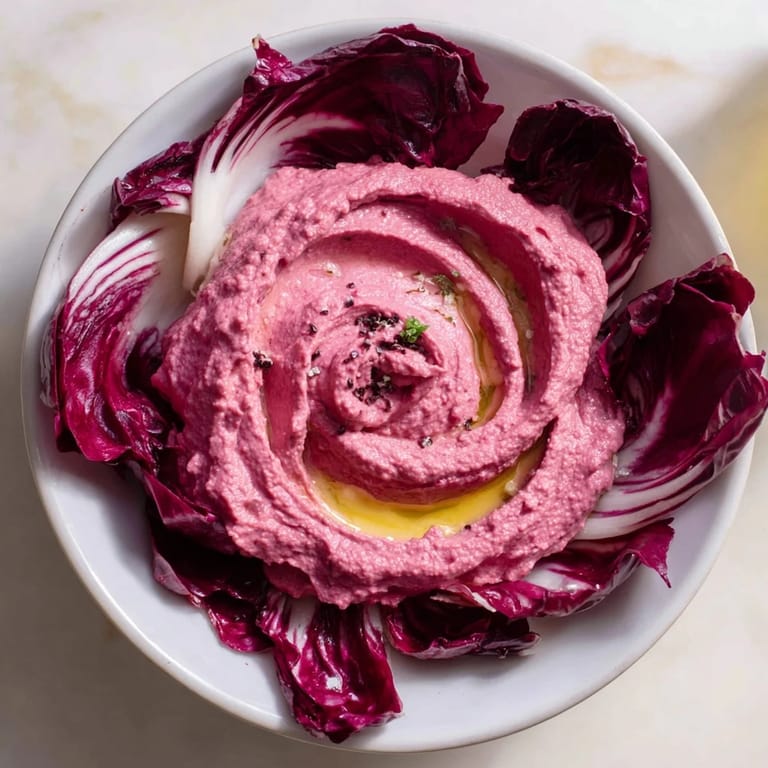
The first time I served this to friends, I was nervous about the color—beet hummus isn't beige and neutral, it's unapologetically vibrant—but watching their faces light up when they saw those deep red roses arranged on the plate made me understand that food doesn't have to blend in to be loved. One guest asked if I'd made it at a professional kitchen, and I remember standing there in my everyday clothes, hands still slightly stained from peeling beets, grinning like I'd just pulled off the best kind of bluff.
Ingredients
- 1 large beet, about 200 g: The star of the show, roasted until it's so tender it practically falls apart. Wrapping it in foil prevents a kitchen-staining mess and keeps the moisture trapped so it steams to perfection.
- 1 can (400 g) chickpeas, drained and rinsed: These create the creamy base that makes the hummus luxurious without any dairy. Rinsing them well prevents any tinny canned flavor from sneaking through.
- 2 tbsp tahini: The secret to that impossibly silky texture. Don't skip this or substitute it with peanut butter, no matter how tempting—tahini gives the hummus a sophisticated, almost buttery depth.
- 2 tbsp extra-virgin olive oil: Quality matters here since it's tasted directly. A fruity, good olive oil adds a layer of flavor you'll notice on the first bite.
- 1 small garlic clove, minced: Go easy on the garlic since it intensifies in hummus and can easily overpower the delicate earthiness of the beets.
- Juice of 1 lemon: This brightens everything and keeps the hummus from tasting one-dimensional. Fresh lemon juice makes a measurable difference.
- 1/2 tsp ground cumin and salt, black pepper to taste: These seasonings wake up the beet's natural sweetness and add warmth that balances the earthiness perfectly.
- 2–3 tbsp cold water: Add this slowly at the end to reach that cloud-like consistency. Too much and you'll dilute all your carefully layered flavors.
- Radicchio leaves for serving: Their slight bitterness and crisp texture create the perfect contrast to the creamy hummus, plus they look naturally leaf-like when arranged around your roses.
- Olive oil for drizzling and flaky sea salt: These finishing touches transform a good dish into something that feels intentional and complete.
Tired of Takeout? 🥡
Get 10 meals you can make faster than delivery arrives. Seriously.
One email. No spam. Unsubscribe anytime.
Instructions
- Roast the beet until it practically melts:
- Wrap that whole beet in foil and let the oven work its magic at 400°F for 40 to 45 minutes. You'll know it's done when a fork slides through like butter. Let it cool enough to handle—the skin comes off almost as easily as peeling a hard-boiled egg once it's been steamed in its own foil.
- Build your hummus base:
- Dump the cooled roasted beet, drained chickpeas, tahini, olive oil, minced garlic, lemon juice, cumin, salt, and pepper into the food processor and let it run until absolutely smooth. You're looking for the moment where it stops being grainy and becomes genuinely silky—keep scraping down the sides and giving it another pulse.
- Achieve that cloud-like texture:
- Add your cold water one tablespoon at a time while the processor runs, tasting as you go. This is where patience pays off because rushing makes it watery, but skipping this step leaves you with something dense that won't swirl beautifully.
- Plate like you mean it:
- Spoon or pipe the hummus onto your serving plate in overlapping swirls to create rose-like shapes. If you have a piping bag with a large star tip, this step becomes almost meditative—but honestly, even random swirls look intentional and pretty.
- Arrange the supporting cast:
- Position those radicchio leaves around your hummus roses so they actually look like petals. Let them fall slightly at different angles rather than arranging them in perfect rows—perfection looks less real.
- Finish with intention:
- Drizzle the whole plate with excellent olive oil and scatter flaky sea salt across everything. If you have microgreens or edible petals, this is your moment to add them for that final touch of restaurant plating.
- Serve and watch people react:
- Bring it to the table while it's still cool and let guests use those radicchio leaves as their vehicle for hummus. The beet stains on everyone's fingers afterward become a badge of honor.
 Save
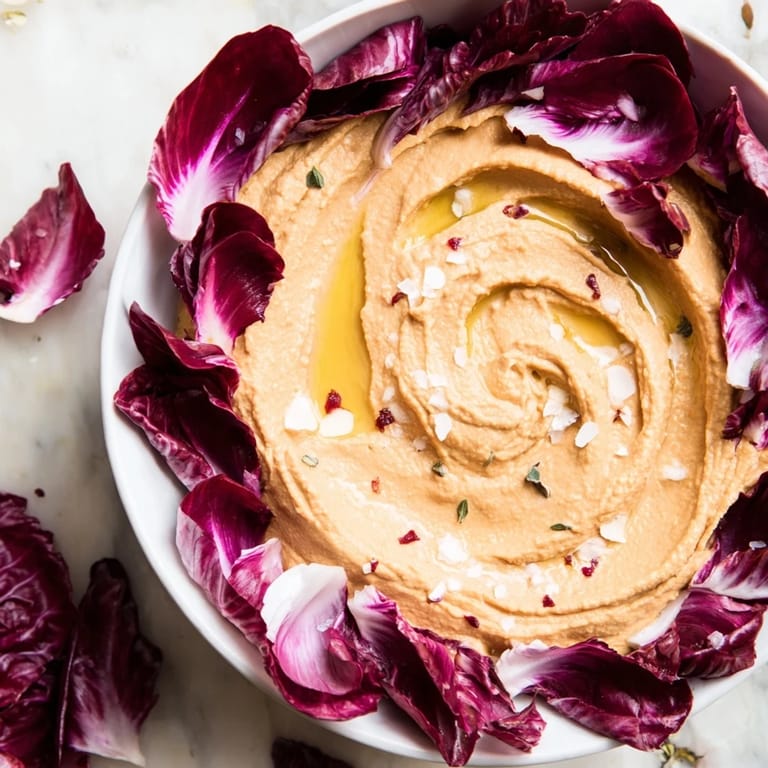
Save There's something almost meditative about watching those beet hummus swirls take shape, knowing that in five minutes something that looked like a pile of ingredients becomes a centerpiece that stops conversations. I remember a dinner party where someone who claims to hate beets came back three times for more, and that moment taught me that beautiful food sometimes wins over people's preconceived notions in ways words never could.
The Beauty of Beet Color
That deep magenta-crimson isn't just for show—it's actually an indicator of how nutrient-rich and alive the beet is. The first time I served this to skeptics, I noticed they couldn't quite decide if something so vividly colored could possibly taste good, but then their faces shifted the moment they tasted it. Now I lean into that initial visual surprise because it makes the flavor reveal feel almost magical.
Why Radicchio Isn't Optional
Radicchio leaves are more than just a vehicle for hummus—they're a crucial flavor balance that your palate actually needs. Without them, the sweetness of the beets and earthiness of the chickpeas can feel one-note after a few bites, but that gentle bitterness from radicchio wakes everything up and makes you want another bite. The crispness also creates texture contrast that makes eating this feel interactive rather than passive.
Plating Without Overthinking It
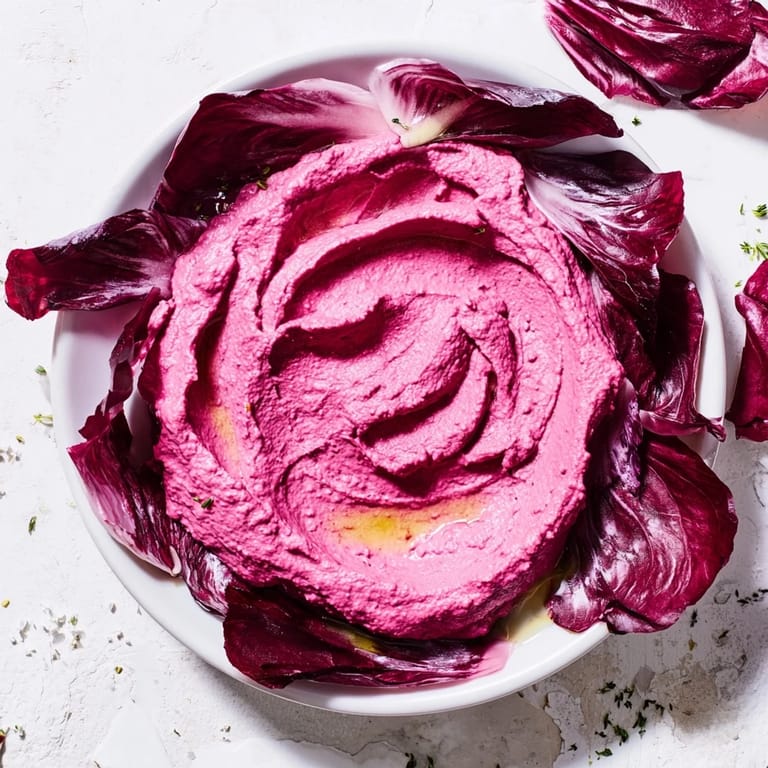
The rose shapes became my obsession until I realized that the hummus itself is already so visually stunning that you don't need to be a pastry chef to make it shine. Swirls, spoons, even a slightly messy spiral still looks intentional when the color is this gorgeous and the arrangement has some whitespace around it. Some of my favorite presentations happened when I gave up on perfection and just let the hummus speak for itself.
- A piping bag with a large star tip does make rose shapes more realistic, but honestly a spoon creates swirls that look just as elegant.
- Arrange your hummus first and let it set for a minute or two before adding the radicchio so the leaves don't slide around.
- Serve this right from the fridge because cold hummus holds its shape better and tastes brighter than room-temperature hummus.
 Save
Save This dish reminds me why cooking for people matters—not because the technique is complicated, but because something so beautiful and delicious that only took an hour in the kitchen can make an entire evening feel special. The Velvet Rose became my answer to the question, what do I bring to a potluck when I want to look like I tried but still want to have fun at the party.
Recipe FAQs
- → How do you achieve the rose shapes with the hummus?
Use a piping bag fitted with a large star tip or carefully spoon the creamy hummus onto the plate in circular motions to create delicate rose patterns.
- → Can I prepare the beet hummus in advance?
Yes, roast and blend the beets ahead of time, then store the hummus covered in the fridge. Swirl and garnish just before serving.
- → What does radicchio add to the dish?
Radicchio leaves bring a crisp texture and slight bitterness that contrast the creamy, earthy beet hummus, enhancing the flavor balance.
- → Are there alternatives to radicchio for serving?
Endive or Belgian endive leaves, as well as pita chips, work well as alternatives to radicchio for dipping and presentation.
- → How can I intensify the flavor of the beet hummus?
Add a pinch of smoked paprika or adjust garlic and lemon juice to taste to deepen the smoky and tangy notes in the hummus.