 Save
Save I still remember the moment I decided to stop bringing ordinary cheese platters to parties. It was New Year's Eve, and I was standing in my kitchen at midnight, looking at a sad wooden board with random ingredients scattered across it. That's when it hit me—what if I turned this into something theatrical? What if the platter itself became the centerpiece of conversation? I started arranging vegetables in sweeping arcs, positioned two olives like mysterious eyes, and suddenly my kitchen felt like a masquerade ball was about to begin. Now, every time I create this mask, I'm transported back to that moment of kitchen inspiration, and my guests can't help but gasp when they see it.
I'll never forget my sister's face when she walked into my apartment for our New Year's gathering and saw the mask taking up half the dining table. She thought I'd hired a caterer. The mask became the star of the evening, not just the opening act. People kept pointing, taking photos, and asking how I made it look so intentional. That's when I realized this wasn't just about feeding people—it was about creating a moment they'd remember.
Ingredients
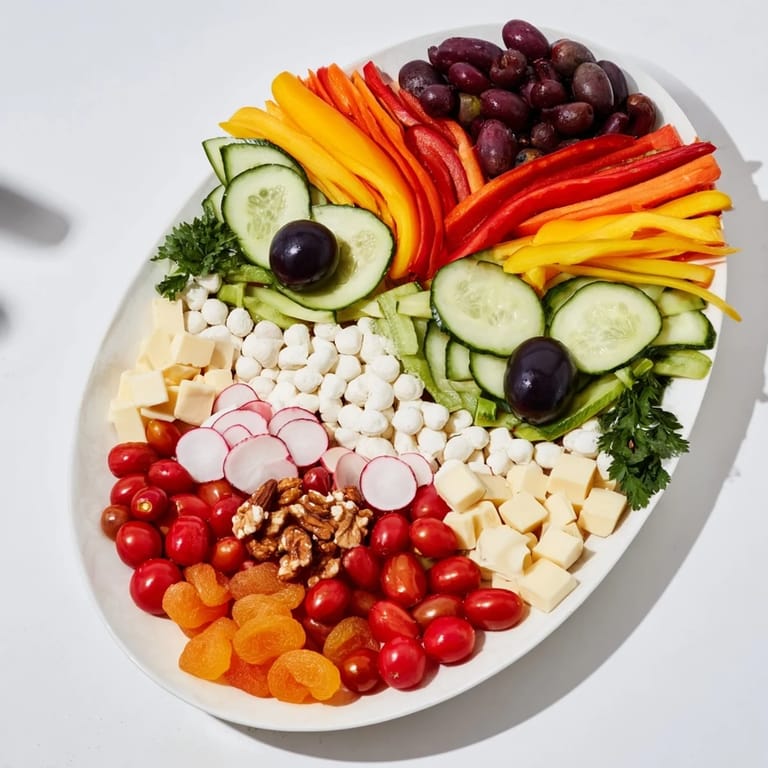
- Large green or black olives, pitted (or firm cheese cubes): These become the eyes of your mask, so choose ones that are visually striking. I learned the hard way that pitted olives work so much better because guests can actually eat them without hesitation. If you go the cheese route, firm varieties like aged cheddar hold their shape beautifully.
- Cucumber slices, thinly sliced: They're refreshing and their pale green color creates a perfect neutral backdrop for the mask's dramatic features. Slice them just before serving so they stay crisp and bright.
- Colorful bell pepper strips (red, yellow, orange): These are your mask's feathered edges. The variety of colors is what makes this platter sing. I always include all three colors because they catch the light differently and create visual depth.
- Cherry tomatoes, halved: Sweet, jewel-like, and they add a pop of shine to any section where you place them. Their natural sweetness balances saltier elements.
- Red radish slices: Don't skip these—they add a subtle peppery bite and their thin red rings are genuinely beautiful. They're the ingredient that makes people say 'what is that?' in the best way.
- Baby carrots, halved lengthwise: Their natural sweetness and orange hue are essential to the mask's color palette. Halving them lengthwise shows off their shape better than round slices.
- Seedless grapes (red or green): These add unexpected sweetness and a visual pop. They're also the most forgiving ingredient if your arrangement starts looking chaotic—grapes always look intentional.
- Assorted cheeses, cubed: Mix textures and flavors here. Sharp cheddar, creamy gouda, and nutty Swiss all find their place. The variety keeps people coming back to try different bites.
- Mini mozzarella balls: These are magic for filling gaps and adding elegant white accents that make colors pop. They're also guests' favorite guilty pleasure—they disappear first.
- Nuts (walnuts, almonds, or pistachios): Add crunch and sophistication. Pistachios bring a beautiful green that echoes the cucumber. I toast mine lightly to deepen their flavor and make them more memorable.
- Dried fruits (apricots, cranberries, or figs): These jewel-like morsels add richness and a touch of luxury. They're what makes people realize this isn't just a vegetable platter—it's a curated experience.
- Crackers or breadsticks (optional): Only add if you want them as a base for building bites. I often skip them to keep the focus on the fresh ingredients and the stunning visual presentation.
- Fresh herbs (parsley, basil, dill): These final scattered garnishes are what elevate the entire platter from 'nice' to 'I can't believe you made this.' Use them strategically to frame the eyes or accent the edges.
Tired of Takeout? 🥡
Get 10 meals you can make faster than delivery arrives. Seriously.
One email. No spam. Unsubscribe anytime.
Instructions
- Choose your canvas:
- Select a large oval or rectangular serving board—this is your stage. I prefer a wooden board or slate because they create beautiful contrast with the vibrant colors. Make sure it's large enough that ingredients won't crowd each other. You want negative space to breathe.
- Create the eyes:
- Position your two olives or cheese cubes near the center-top of the board, spaced apart as if they're watching everyone who walks by. Step back and look at them—they should feel balanced and mysterious, like they're actually seeing into your soul.
- Fan out the mask's feathers:
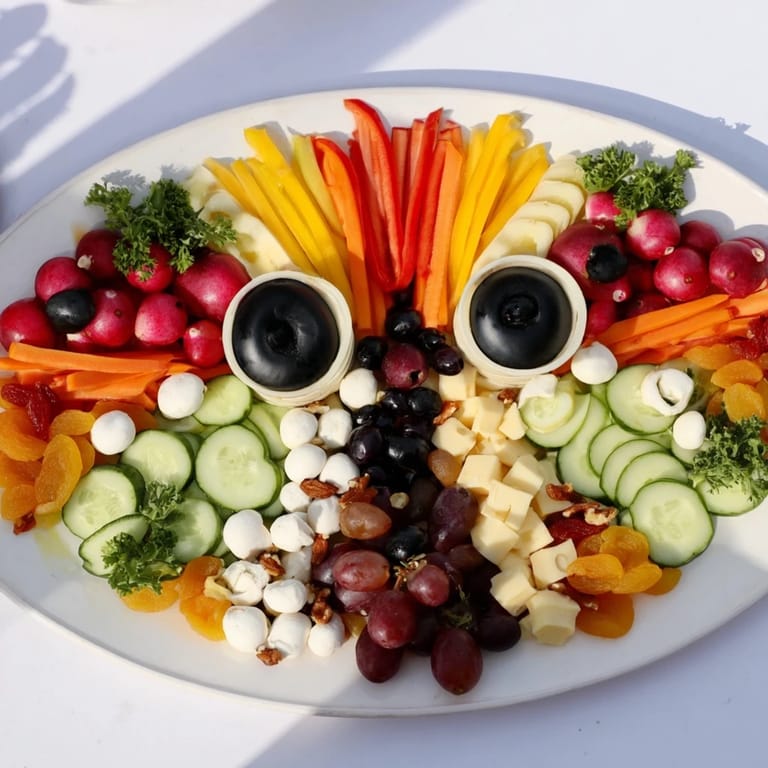
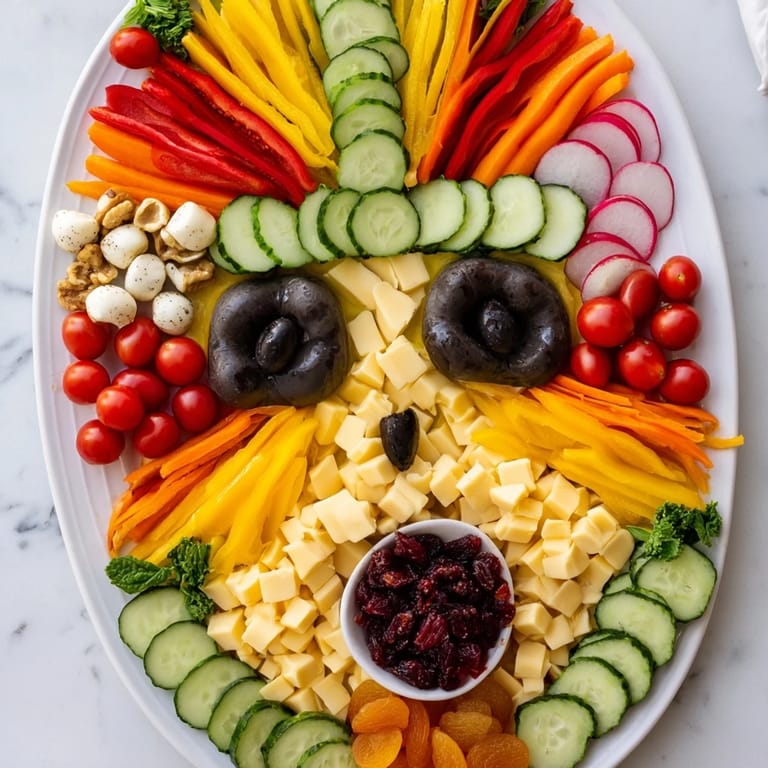
- This is where the magic happens. Starting above and around the eyes, begin fanning out your bell pepper strips in wide, symmetrical arcs. Work slowly and deliberately, rotating your strips so they radiate outward like feathers on an actual masquerade mask. Your cucumber slices should layer next, creating gentle waves of pale green. This is where you're building the foundation of beauty.
- Add depth with vegetables and fruit:
- Now start tucking your colorful vegetables into the pattern. Red radish slices, halved cherry tomatoes, baby carrots, and grapes should fill in around the bell peppers, creating a sense of movement and flow. Each ingredient should feel like it's part of a larger design, not just randomly scattered.
- Nestle in the cheeses:
- Drop your cheese cubes and mini mozzarella balls into the spaces between vegetables and fruits. They're not just flavor—they're visual anchors that break up the vegetable sections and add rich texture. Every gap is an opportunity for these creamy, beautiful additions.
- Fill with nuts and dried fruits:
- Scatter your nuts and dried fruits across the board. These darker, denser ingredients add sophistication and prevent the platter from feeling too light. They also give your guests something to reach for that feels indulgent.
- Frame with crackers (optional):
- If you're using them, arrange crackers or breadsticks at the lower edge or sides. They should frame the mask rather than overwhelm it. Think of them as the tuxedo that accents the gown, not the other way around.
- Garnish with ceremony:
- As your final step, scatter fresh herbs and any edible flowers across the mask. Parsley adds delicate green highlights, basil brings unexpected fragrance, and edible flowers add pure theatrical flair. This is where you step back and admire what you've created.
- Serve immediately:
- The moment your mask is complete, let it shine. The fresher it is, the more vibrant and beautiful it will be. Guests will understand immediately that this isn't just food—it's an experience.
 Save
Save There was a moment at last year's party when my friend Sarah was so enchanted by the mask that she actually started crying. She told me it reminded her that entertaining was about creating memories, not impressing people with complicated recipes. That conversation changed how I think about cooking for others. This mask represents that shift—it's simple enough that anyone can make it, beautiful enough that it feels special, and meaningful enough that it becomes a story people tell.
Presentation & Visual Magic
The true art of this platter is understanding that color and symmetry are your most powerful tools. When you arrange the ingredients with intention, you're not just making an appetizer—you're creating a conversation piece. I've found that thinking about the mask like an actual costume helps. The eyes are the focal point, the bell pepper strips are the ornate feathers, and the vegetables and fruits are the jewels and decorations that make it unmistakably festive. The board itself becomes a canvas, and you're the artist. Don't be afraid to adjust and rearrange as you go. Some of my best masks have evolved organically as I placed each ingredient, letting the colors and textures guide my decisions rather than following a rigid plan.
Customizing for Your Celebration
The beauty of this platter is that it adapts to whatever occasion or dietary need arises. For a vegan crowd, replace all cheese with marinated tofu cubes that have been pressed and seasoned—they actually take on color beautifully from good marinades. For non-vegetarian guests who want protein, tuck smoked salmon or cooked shrimp into the arrangement, adding elegance and richness. I've even added prosciutto strips draped like ribbons on an actual masquerade mask, which felt wonderfully dramatic. The seasonal approach matters too. In summer, I emphasize the berries and lighter vegetables. In winter, I lean into roasted root vegetables and dried fruits for deeper, warmer tones. The mask adapts with the seasons, always feeling fresh and appropriate.
The Details That Elevate Everything
Every garnish has a purpose beyond decoration. Fresh basil scattered across the top not only looks beautiful but adds fragrance that hits people as they approach the board. Edible flowers, if you can source them responsibly, add genuine luxury and whimsy. I've discovered that slightly wilting the herbs under warm kitchen light for a minute before adding them makes them more pliable and easier to arrange artfully. Serve with small dips on the side—hummus, herbed cream cheese, or a simple balsamic reduction—so guests can enhance their bites if they choose. These small touches show that you're thinking about the complete experience, not just throwing ingredients on a board.
 Save
Save Every time someone walks up to this platter, they're not just seeing food—they're seeing the moment you decided to turn something ordinary into theater. That's the real recipe.
Recipe FAQs
- → How do I create the mask's eye openings?
Use two olives or small cheese cubes placed near the top center of your serving board, spaced horizontally to mimic eye openings.
- → Can I adapt this platter for vegans?
Yes, simply omit cheeses and replace them with marinated tofu cubes or additional vegetables and fruits for similar texture and flavor.
- → What is the best way to arrange the vegetables and fruits?
Fan out thinly sliced veggies and colorful fruits in wide, symmetrical arcs above and around the eye openings to mimic ornate, feathered edges.
- → Are there options for guests with gluten intolerance?
Omit crackers or replace breadsticks with gluten-free alternatives to maintain a gluten-free spread.
- → How can I add extra flavor and texture to the platter?
Fill gaps with nuts such as walnuts, almonds, or pistachios, plus dried fruits like apricots or cranberries, and garnish with fresh herbs or edible flowers.