 Save
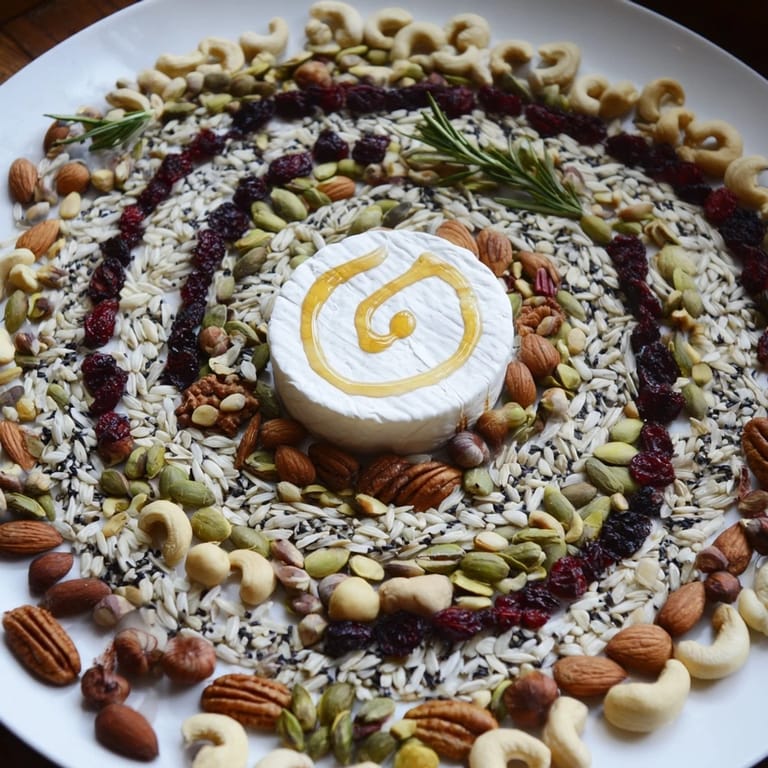
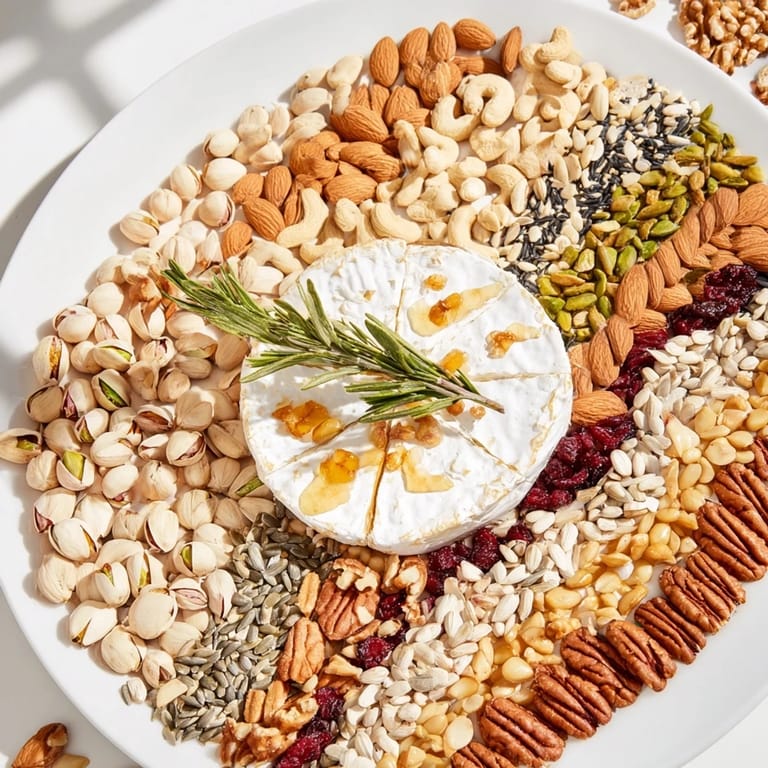
Save I discovered this idea during a chaotic dinner party when I'd run out of time for proper appetizers. Instead of panicking, I grabbed what was scattered across my counter—nuts, seeds, a beautiful wheel of Brie—and suddenly thought: what if I made the journey itself the point? Arranging everything into a winding path felt playful and absurd at first, but when guests actually traced their fingers along the lines to reach the cheese at the center, something magical happened. They slowed down, smiled, and actually talked to each other. A appetizer had become an experience.
I remember my sister's skeptical face when I first showed her the completed labyrinth—she thought I'd lost it with all the artistic plating. But then she watched how our nephew navigated it so carefully, checking each type of nut, and she got it. He wasn't just eating; he was on a tiny adventure. That's when I realized this wasn't about fancy technique or rare ingredients, it was about turning snacking into storytelling.
Ingredients
- Raw almonds (40 g): Their pale color creates visual contrast and mild earthiness that doesn't overpower the cheese.
- Roasted cashews (40 g): These add buttery richness and a slightly creamy texture that pairs beautifully with soft cheeses.
- Pistachios (40 g, shelled): The vibrant green is a natural eye-catcher, and their faint saltiness complements both nuts and cheese.
- Pecan halves (40 g): They're naturally sweet and create an elegant visual line thanks to their elongated shape.
- Hazelnuts (40 g): Small and dense, they're perfect for tight curves in your labyrinth and add a subtle toasted flavor.
- Pumpkin seeds (30 g): Their flat, geometric shape makes them ideal for creating defined lines, and their slight pepperiness keeps things interesting.
- Sunflower seeds (30 g): These add texture contrast and a mild nutty sweetness that bridges nuts and cheese.
- Black sesame seeds (20 g): Use them sparingly as dramatic punctuation marks—they photograph beautifully and taste slightly nutty.
- White sesame seeds (20 g): These provide crisp contrast against darker ingredients and add a delicate crunch.
- Flaxseeds (20 g): Their tiny size fills gaps naturally and adds subtle nuttiness without demanding attention.
- Soft-ripened cheese wheel (180 g): Brie and Camembert are the classics because they're creamy, welcoming, and feel luxurious without pretension.
- Dried cranberries or cherries (2 tbsp, optional): These jewel-toned accents add pops of color and tart sweetness around the final presentation.
- Fresh herbs (2 tbsp thyme or rosemary): They perfume the cheese and add an earthy, sophisticated touch that makes the whole thing feel intentional.
- Honey or agave (1 tbsp, optional): A gentle drizzle catches the light and signals to guests that this is special.
Tired of Takeout? 🥡
Get 10 meals you can make faster than delivery arrives. Seriously.
One email. No spam. Unsubscribe anytime.
Instructions
- Gather and arrange your board:
- Choose a large, flat platter or wooden board—something with enough space that your labyrinth doesn't feel cramped. If you're feeling uncertain about the path, use a pencil to sketch a winding route lightly from the edge spiraling toward the center, but don't stress if you wing it.
- Start your first line:
- Pick one nut variety and begin placing individual pieces along your pencil line, leaving just enough space between each so they're distinct but connected. Notice how the arrangement starts to feel intentional the moment you commit to that first ingredient.
- Build with alternating textures:
- Switch to a different nut or seed for the next line, creating visual rhythm through color and shape contrast. The almonds next to the pistachios, sunflower seeds next to hazelnuts—this is where the visual magic happens.
- Curve and spiral toward the center:
- Keep building layer by layer, following your labyrinth path inward. If you run out of one ingredient before reaching the center, simply swap to another; imperfection reads as intentional.
- Crown the center with your cheese:
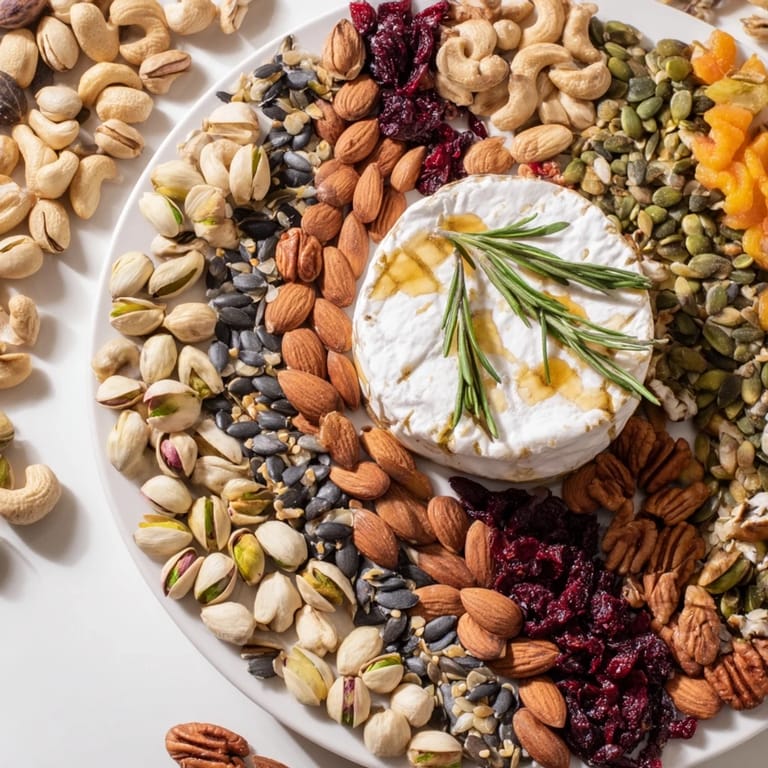
- Place the cheese wheel at the labyrinth's heart like you're unveiling something precious, because you are. This is the moment everything shifts from snack board to interactive experience.
- Finish the cheese:
- Tear a few fresh herb leaves over the top and drizzle with honey if using, letting it pool in a small pool on the surface so it catches light and appetites.
- Fill the gaps strategically:
- Scatter dried cranberries or cherries in empty spaces around the labyrinth to add color without disrupting the path. These become little bonuses for guests who explore beyond the main route.
 Save
Save There was this moment at a potluck where a six-year-old asked if she could trace the path with her finger before eating, and suddenly three other kids were doing the same thing. Their parents were relaxed, the energy shifted from rushed eating to actual connection, and I thought: this is what food can do when it invites people to participate instead of just consume. That's stuck with me.
Making It Your Own
The beauty of a labyrinth is that it's infinitely customizable and forgiving. I've made versions with only nuts because I wanted richness, versions heavy on seeds for extra crunch, and even a wild combination with toasted breadcrumb stripes just to see if it worked. Every version was delicious because you're literally just arranging good ingredients. If you love curry flavors, toast your nuts with a light curry powder first. If you're into heat, mix a tiny pinch of cayenne into the seeds. The structure stays the same; the personality is entirely yours.
Pairing and Serving Timing
The labyrinth works best when you're setting up a grazing table or casual appetizer spread where people can move around and nibble. If your party is more cocktail-focused, arrange it 30 minutes before guests arrive so it's fresh and intact when people first see it. For sit-down dinners, honestly, skip it—it's wasted on a table where people aren't moving and discovering. Light white wines like Sauvignon Blanc or a dry sparkling cider pair perfectly because they're crisp enough not to compete with the nuts and cheese. Even nonalcoholic options like sparkling water with lemon work beautifully.
The Small Touches That Matter
After the first few times I made this, I started noticing small refinements that took it from good to memorable. Toasting your nuts lightly in a dry pan 3 minutes before arranging deepens their flavor and makes them taste fresher. Bringing your cheese out of the fridge 15 minutes before serving transforms it from firm to properly creamy—it genuinely tastes different. And here's something nobody mentions: arrange it on a slightly chilled board if possible, because cheese softens slowly on cold surfaces, staying elegant longer.
- If you're worried about nuts getting stale, seal them individually in small containers the night before and arrange them fresh just before guests arrive.
- Save a few extra nuts to toss on top of the cheese board at the end—they look abundant and encourage people to keep exploring.
- Set out small forks or cocktail picks nearby so guests understand they can actually navigate the labyrinth rather than just staring at it.
 Save
Save This dish taught me that sometimes the most memorable moments come from slowing people down and making them participate. A labyrinth of nuts and seeds leading to cheese sounds simple until you watch someone's face light up when they reach the center. That's worth every minute.
Recipe FAQs
- → What types of nuts are recommended?
Raw almonds, roasted cashews, pistachios, pecan halves, and hazelnuts offer diverse flavors and textures perfect for the labyrinth.
- → Can I substitute the cheese?
Yes, soft-ripened options like Brie or Camembert work well; plant-based alternatives are suitable for a vegan approach.
- → How do I create the labyrinth shape?
Lightly sketch a winding path on the serving board and arrange single-file lines of nuts and seeds along it to form the maze.
- → What accents enhance the platter's flavor?
Fresh herbs such as thyme or rosemary and a drizzle of honey or agave add aromatic notes and subtle sweetness.
- → Is this dish suitable for dietary restrictions?
Yes, it’s vegetarian and can be gluten-free if gluten-free seeds are chosen; vegan options are possible with plant-based cheese.