 Save
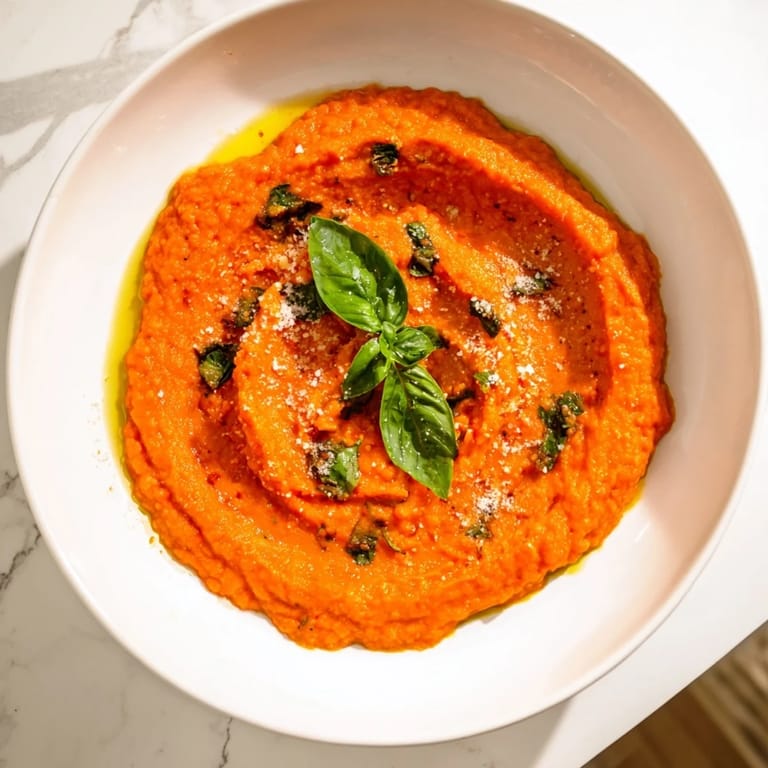
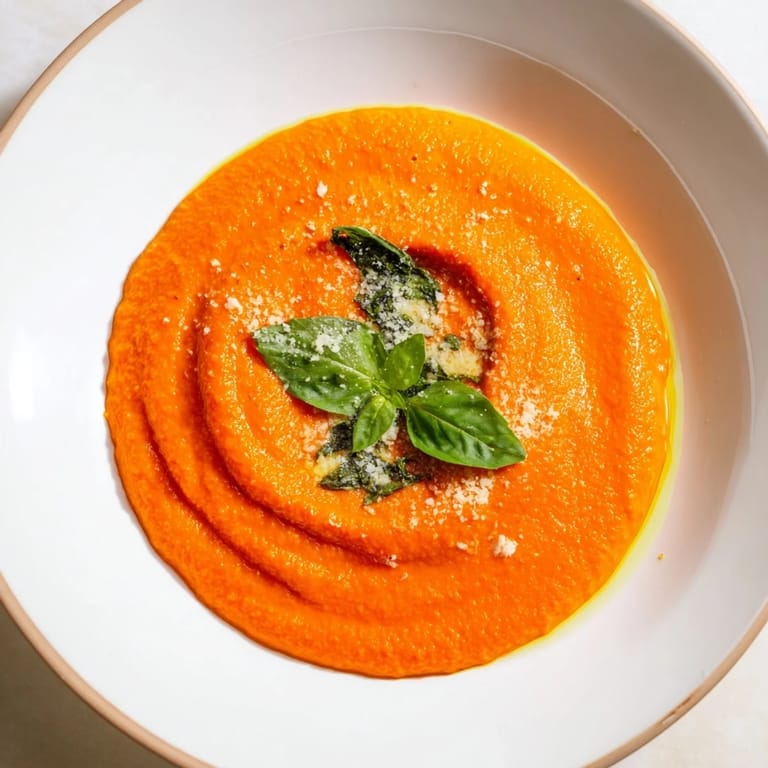
Save The first time I made this sauce, my youngest took a suspicious look at the vibrant orange color and asked what was wrong with dinner. I just stirred the pasta and said it was my special recipe, watching him take that first tentative bite. His eyes widened and he asked for seconds, then thirds, completely unaware he'd just eaten two carrots and a zucchini. That night taught me everything about the art of invisible nutrition, and now this sauce lives in my fridge at least twice a month.
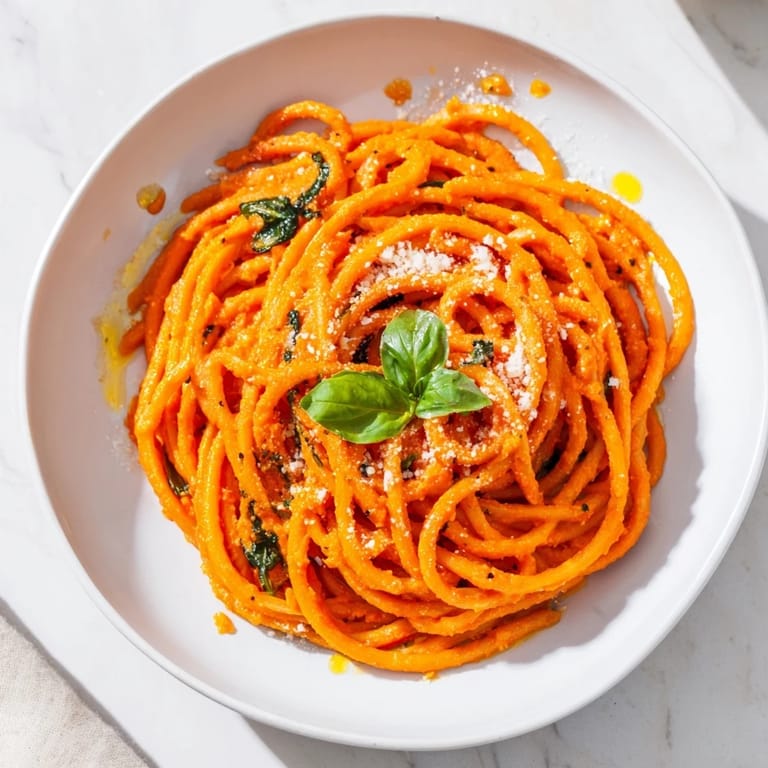
Last winter, my sister came over with her three kids who normally survive on buttered noodles and nothing else. I served this sauce over spaghetti with torn fresh basil on top, and her oldest asked if I'd bought it from an Italian restaurant. They all cleaned their plates, and my sister pulled me into the kitchen afterward to demand the secret. We stood there blending the remaining sauce while she laughed about how she'd been trying to get her kids to eat carrots for years.
Ingredients
- 2 medium carrots: Peeled and chopped, these add natural sweetness that perfectly balances the tomatoes
- 1 medium zucchini: Chopped into small pieces so it cooks down and melts into the sauce
- 2 cups fresh spinach: Washed and roughly chopped, contributing nutrients without any green taste
- 1 medium onion: Chopped small to create a flavorful foundation
- 2 cloves garlic: Minced fresh because jarred garlic never quite hits the same aromatic notes
- 2 tablespoons olive oil: The canvas that carries all those vegetable flavors
- 1 can (28 oz) crushed tomatoes: Your sauce backbone, quality matters here so grab the good stuff
- 2 tablespoons tomato paste: Concentrated depth that makes the sauce taste like it simmered all day
- 1 teaspoon dried oregano: Classic Italian herb that brings warmth to every bite
- 1 teaspoon dried basil: Complements the oregano with its sweeter, peppery notes
- 1/2 teaspoon salt: Start here and adjust to your taste later
- 1/4 teaspoon black pepper: Freshly ground makes a noticeable difference
- 1/2 teaspoon sugar: Optional, but I've found it tames particularly acidic tomatoes beautifully
- 1/4 cup grated Parmesan cheese: The final touch that adds umami richness
- Fresh basil: For garnish and that pop of color that makes dinner feel special
Tired of Takeout? 🥡
Get 10 meals you can make faster than delivery arrives. Seriously.
One email. No spam. Unsubscribe anytime.
Instructions
- Start the foundation:
- Heat olive oil in a large saucepan over medium heat, add onion and garlic, and sauté until softened and fragrant, about 3 minutes.
- Soften the vegetables:
- Add carrots and zucchini, cooking for 5-7 minutes and stirring occasionally until they begin to soften and smell sweet.
- Add the greens:
- Toss in spinach and cook until wilted, about 2 minutes, watching it collapse into the vegetables.
- Build the sauce base:
- Pour in crushed tomatoes and tomato paste, stirring until everything is well combined and the color turns deep red-orange.
- Season and simmer:
- Add oregano, basil, salt, pepper, and sugar if using, bring to a gentle simmer, then cover and cook on low heat for 20 minutes.
- Transform to smooth:
- Remove from heat and let cool slightly, then use an immersion blender to puree until completely smooth and silky.
- Final seasoning:
- Return to low heat if needed, adjust seasoning, and stir in Parmesan until melted and incorporated.
- Service:
- Serve immediately over your favorite pasta, topped with fresh torn basil leaves.
 Save
Save This sauce became my go-to the summer my daughter decided she was too old to eat vegetables, and I had to get creative. Now she requests it by name, completely unaware that her favorite red sauce is basically a salad in disguise. Some kitchen secrets are worth keeping.
Making It Your Own
I've discovered that adding a splash of cream or a tablespoon of butter after blending transforms this into something incredibly luxurious. My neighbor adds red pepper flakes when she wants a little kick, and another friend roasts the vegetables first for deeper flavor. The beauty of this base is how adaptable it becomes once you understand the ratios.
Storage and Batch Cooking
This sauce freezes remarkably well, and I always make a double batch when I take the time to chop all those vegetables. Portion into freezer-safe containers or zip-top bags, label them with the date, and you'll thank yourself on busy nights. Three months in the freezer and it still tastes freshly made.
Serving Suggestions
Beyond pasta, this sauce works beautifully over baked chicken, as a base for homemade pizza, or even as a dipping sauce for mozzarella sticks. My kids now request it in their lunch thermoses with tortellini, and I've even used it as a soup starter with added white beans and vegetable broth.
- Try it over polenta for a creamy, comforting dinner
- Layer it in lasagna for extra nutrition that no one will detect
- Keep a portion in the fridge for quick lunch emergencies
 Save
Save There's something deeply satisfying about watching skeptical faces light up after the first bite of this sauce. Good food doesn't have to be complicated, and sometimes the best recipes are the ones that quietly make life a little healthier and a whole lot happier.
Recipe FAQs
- → Can I taste the vegetables in the sauce?
The vegetables become virtually undetectable after blending. The carrots add natural sweetness, zucchini contributes creaminess without flavor, and spinach merely deepens the red color. Even vegetable-averse eaters typically enjoy this sauce without guessing the hidden ingredients.
- → What pasta shapes work best with this sauce?
This versatile sauce coats every pasta shape beautifully. Try it with spaghetti, penne, fusilli, or farfalle. The smooth texture also makes it perfect for lasagna layers, baked ziti, or as a dipping sauce for mozzarella sticks and garlic bread.
- → How long does the sauce keep in the refrigerator?
Store cooled sauce in airtight containers for up to 5 days. The flavors actually develop and improve after a day or two. Reheat gently on the stove, adding a splash of water or pasta water if needed to reach desired consistency.
- → Can I make this sauce without an immersion blender?
Absolutely. Use a regular countertop blender, working in batches and filling only halfway. Hold the lid down with a folded towel for hot liquids. A food processor works too, though the texture may be slightly less silky than with an immersion blender.
- → Is this sauce suitable for meal prep?
This sauce freezes exceptionally well. Portion into freezer-safe containers or bags, leaving space for expansion. It keeps for up to 3 months. Thaw overnight in the refrigerator, then reheat on the stove. Double or triple the batch to stock your freezer.
- → Can I use fresh tomatoes instead of canned?
Fresh tomatoes work when they're in season. Use 2-3 pounds of ripe tomatoes, blanched, peeled, and crushed. Canned tomatoes provide consistent year-round flavor and thickness, making them more reliable for this particular sauce where texture matters.